
Reykjavík has changed a lot in ten years. The last time I was here, Iceland was still recovering from the Global Financial Crisis. Now, it’s inflation. There’s more buildings now, apartments, offices and stores. And more people. More tourists. The streets of central Reykjavik are flooded with people from across the world, looking to experience this place. Most seem to be picking winter gear from the clothing outlets. The temperature radically dropped in the previous week.
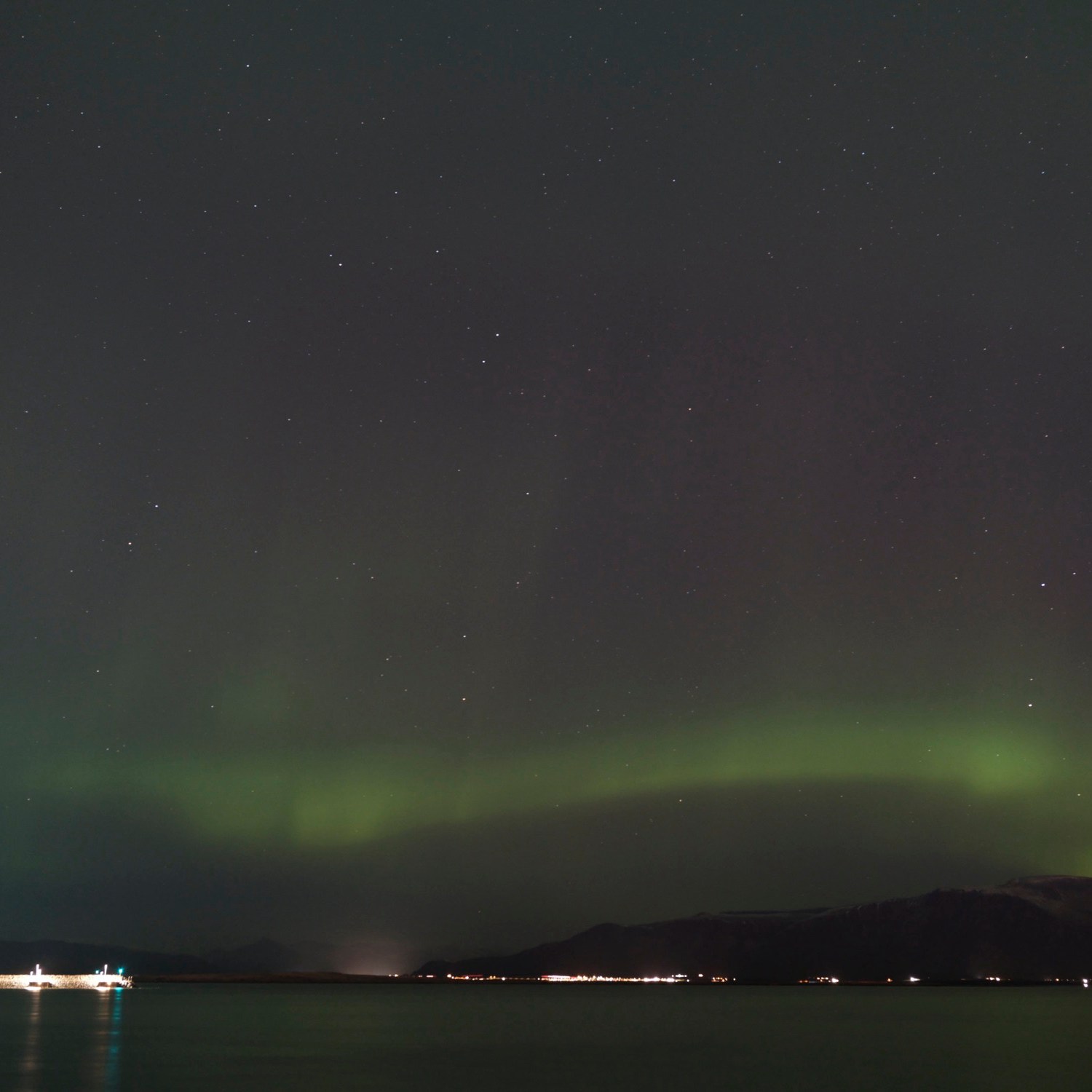
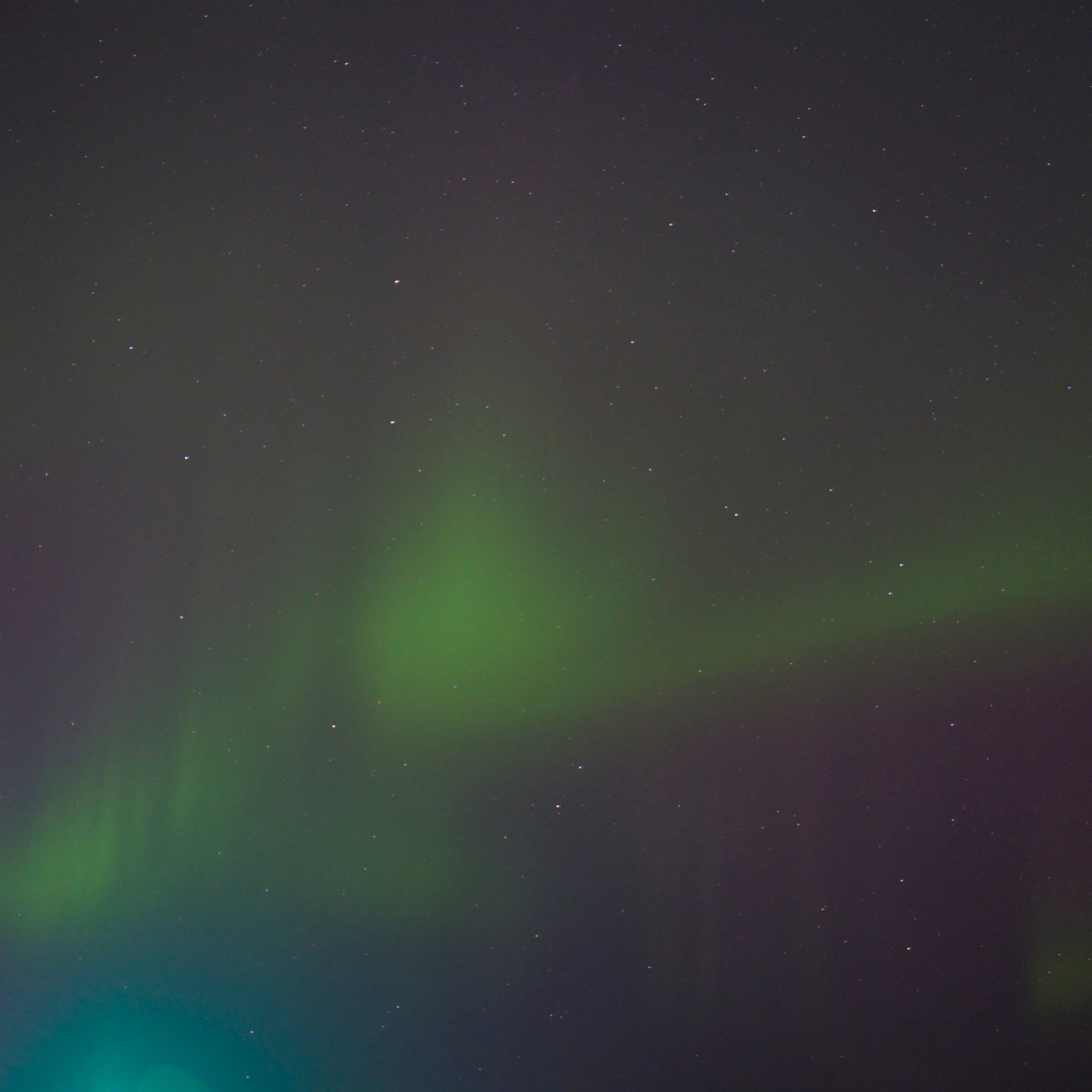
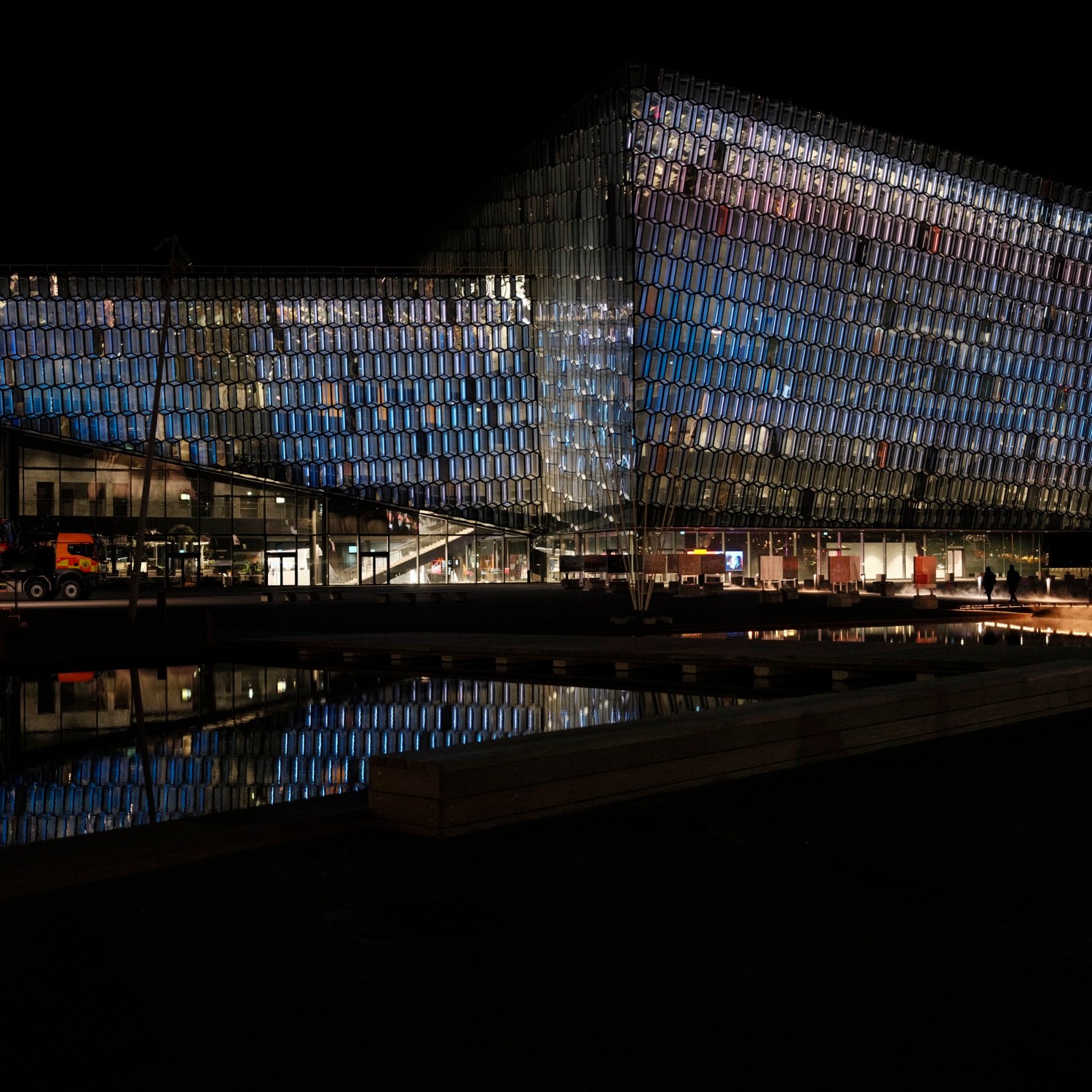
Our hotel is right above two extremely busy bars, which see their patrons out well after midnight. The first night, we hear about the northern lights can currently be seen. So we head to the harbour area, near the Harpa Concert Hall. I took as many photos as I could, before the cold became unbearable.
Our first full day has us exploring the city. For me it’s revisiting a couple of familiar places, namely the art galleries. The Reykjavík Art Museums Harfnahús and Kjarvalsstaðir showcase Iceland’s artists. Between the two galleries we walk by Hallsgrimkirkja, the city’s iconic church on the hilltop. Harfnahús had Floð, an installation by Jónsi, 1001 Nights, a showing of Erró’s work. Kjarvalsstaðir had a retrospective of Icelandic artists during the time of Jóhannes S. Kjarval.
Afterwards, we crossed back to the Harpa music hall to join our Food Walk Tour, dropping into a variety of restaurants and hotels to sample various Icelandic dishes (including hot dogs, a national favourite). There is the dried arctic shark, which isn’t great. Arctic char is probably the best tasting dish. And I got to sample a rare dish of horse.
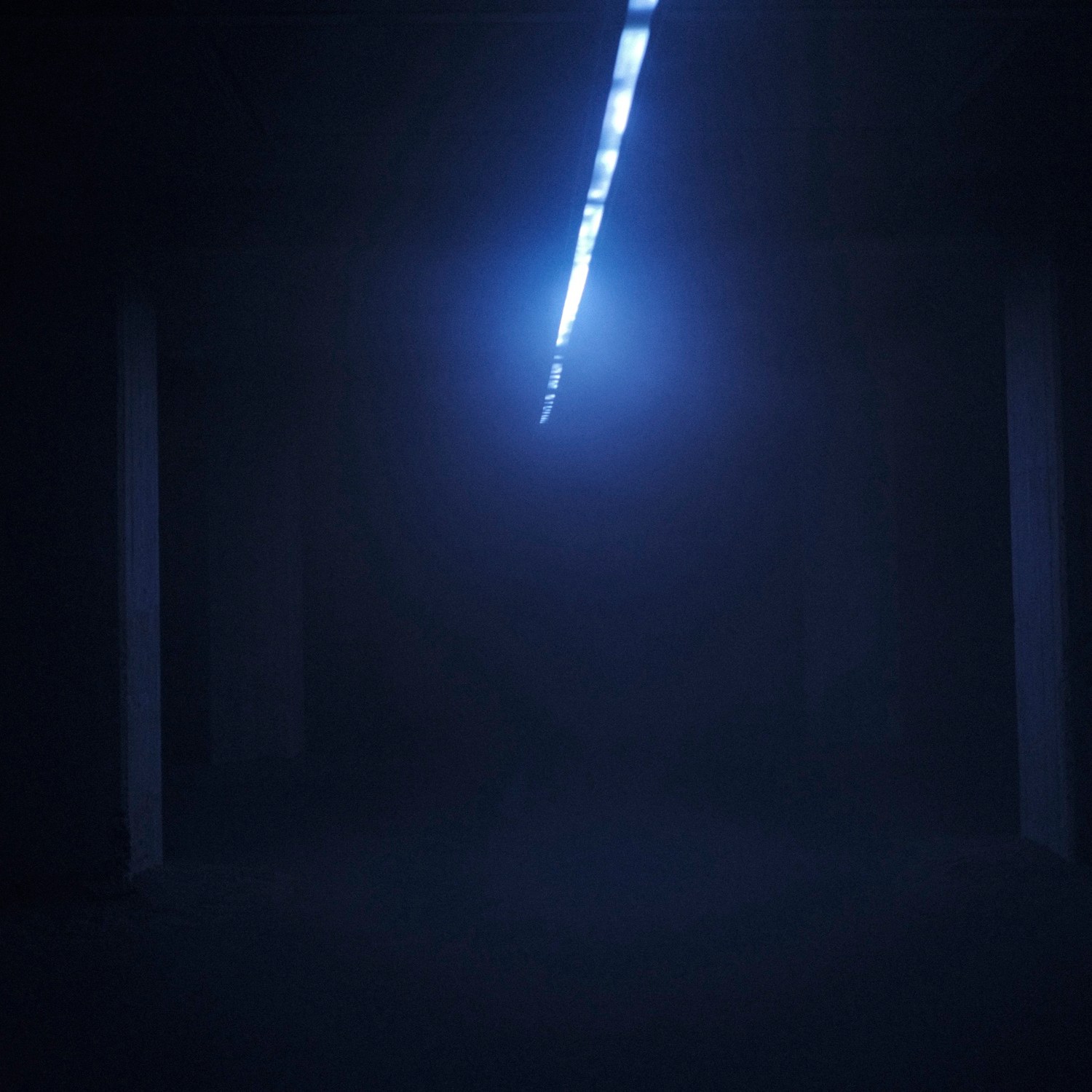
The following day was an early start to get to our Lava Tunnel tour. This involved getting on one bus to be dropped off at a depot to hop on another bus. This one was completely packed.
The trip to the tunnel was about half an hour. Our guide walks us through the lava tunnel, which exists on farm land off the highway. Lava tunnels can form when lava flows cool and harden on the surface while the lava continues to flow underground. Lava tunnels can take two decades before they completely cool. Originally the tunnel was open for anyone to explore, but vandalism and business opportunities transformed it into an attraction.
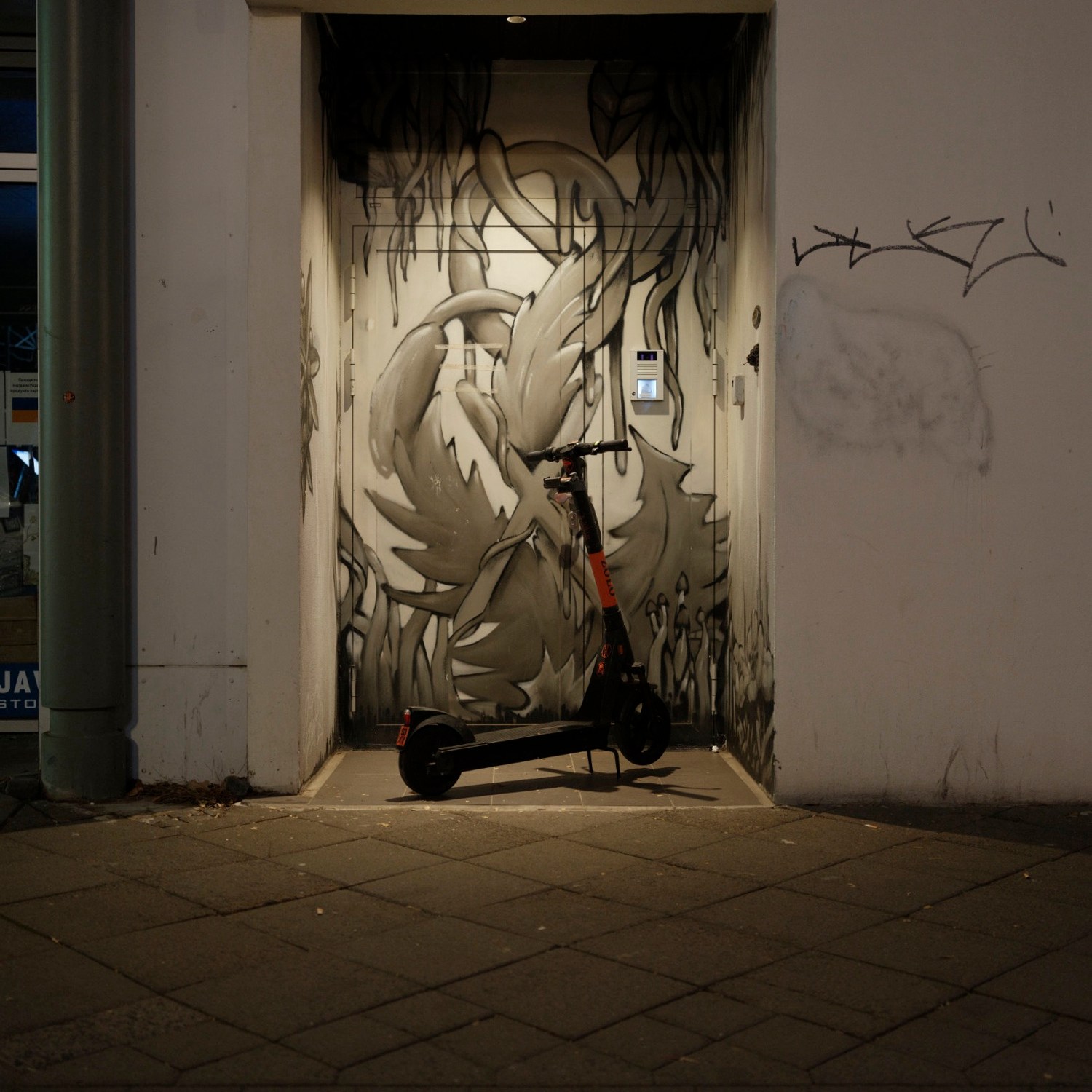
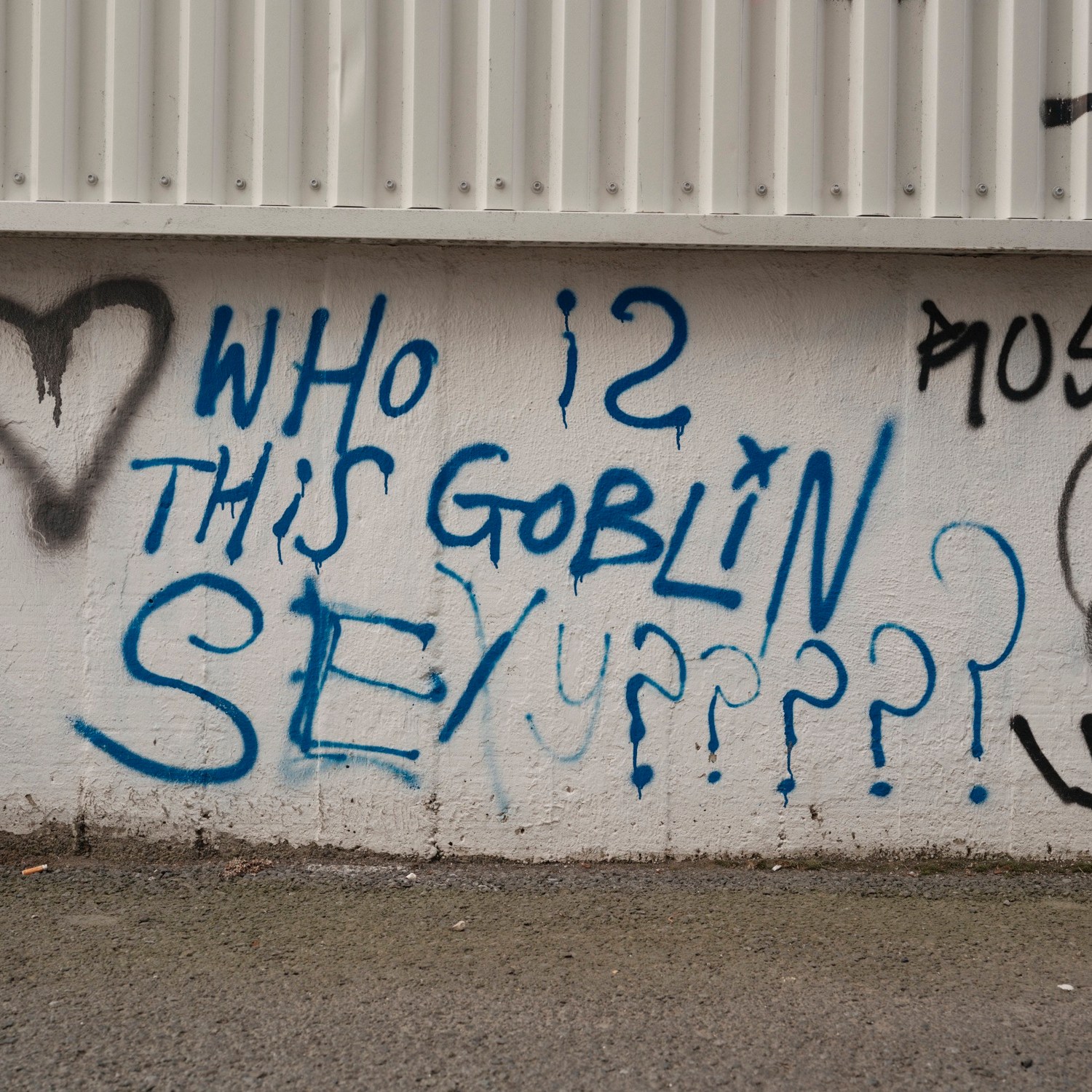
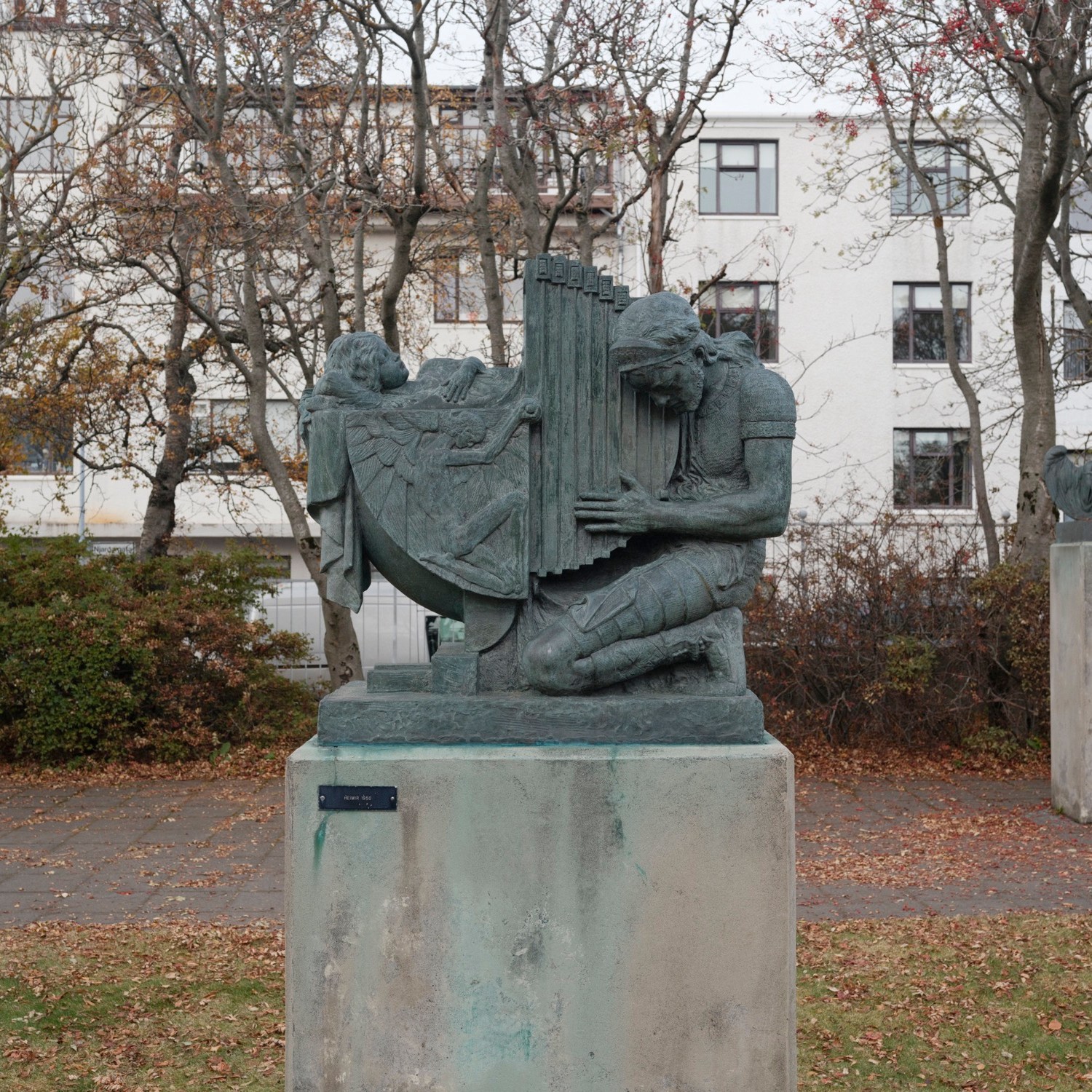
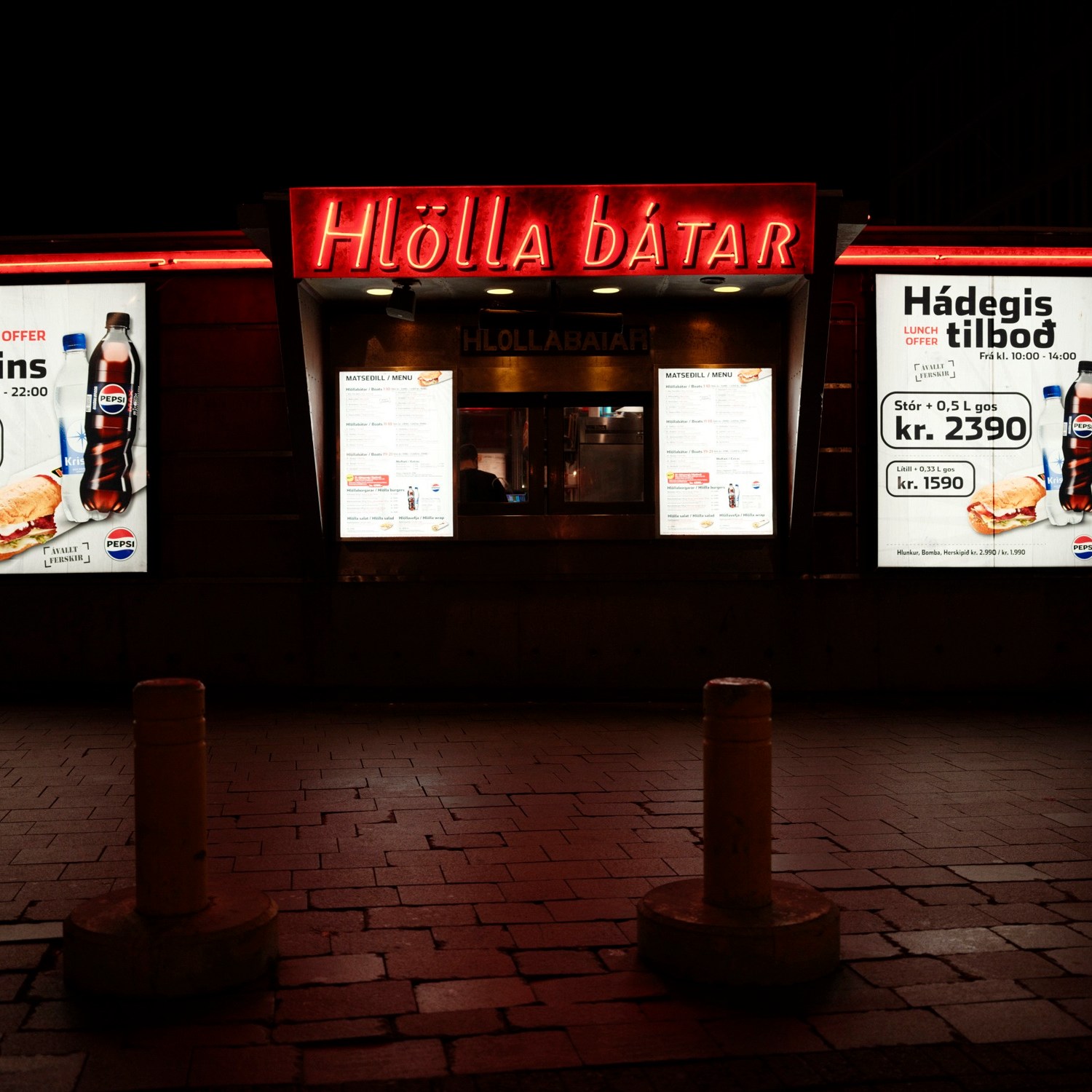
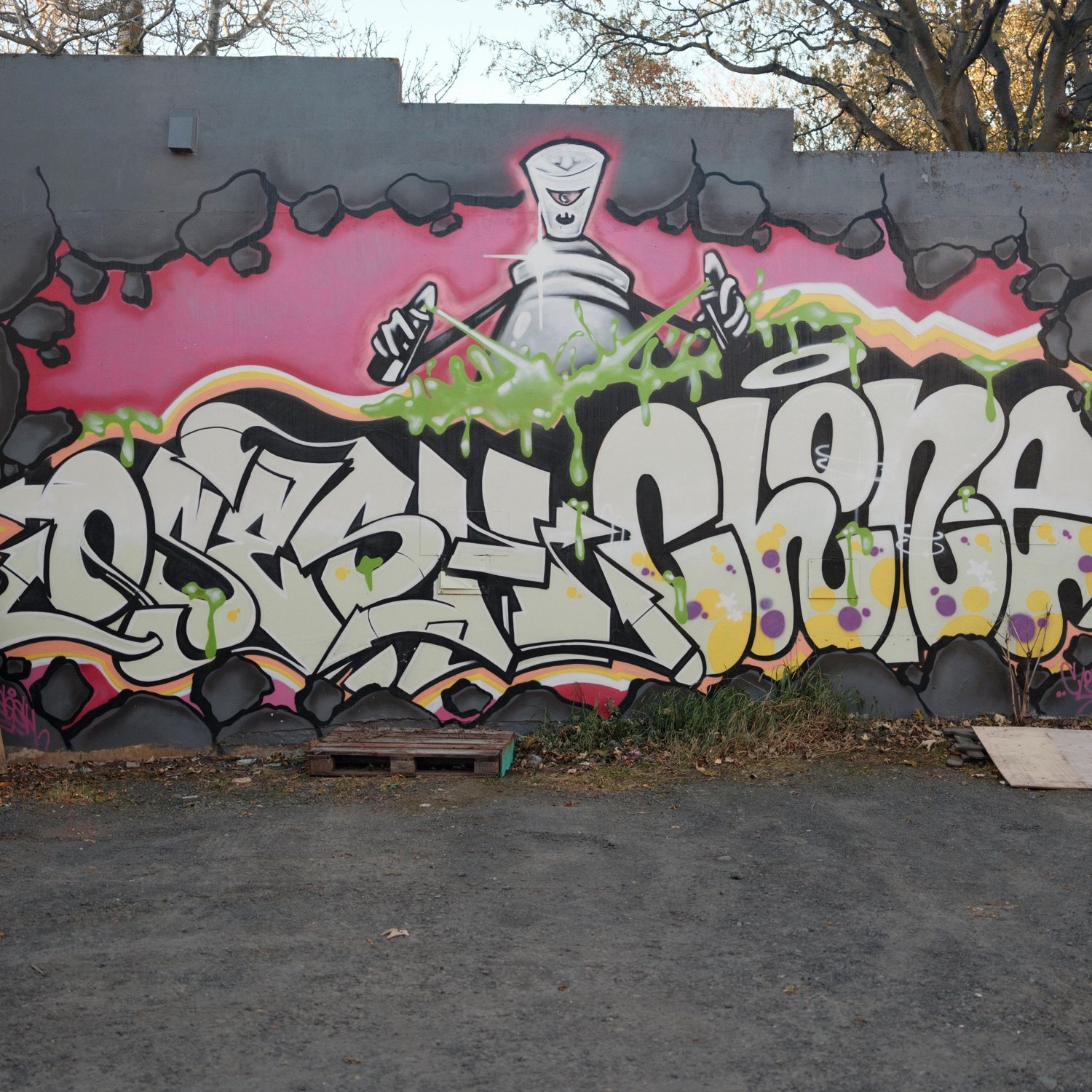
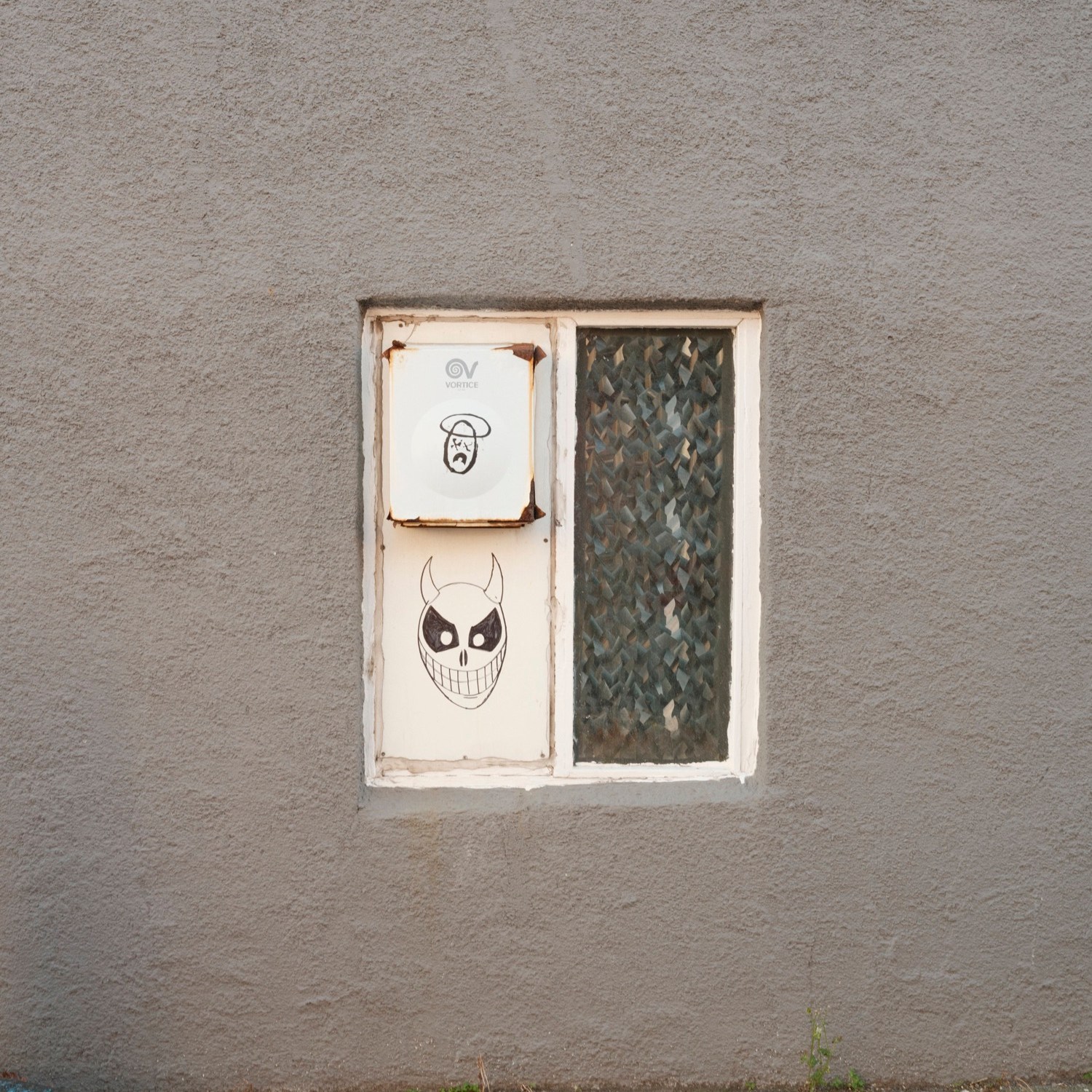
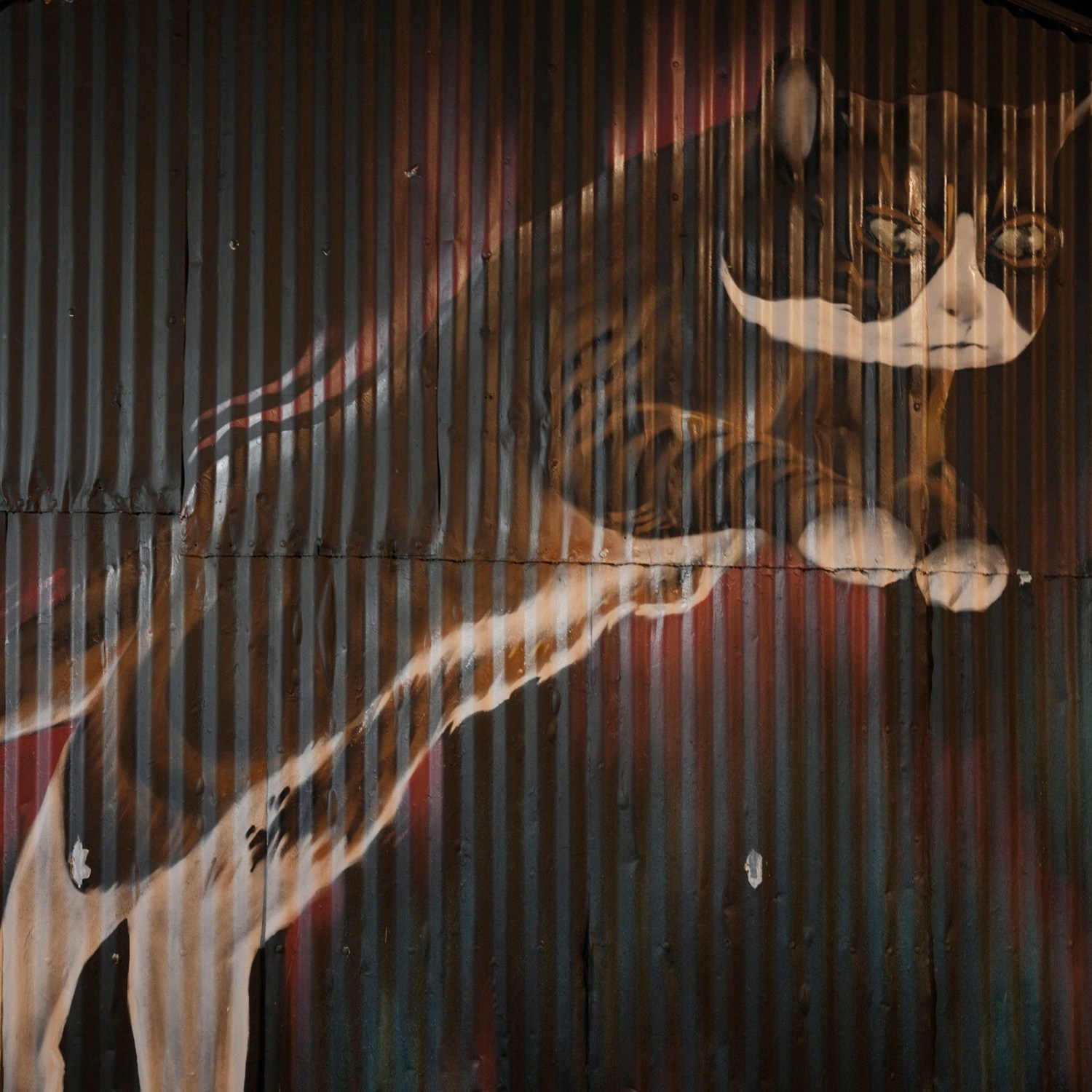
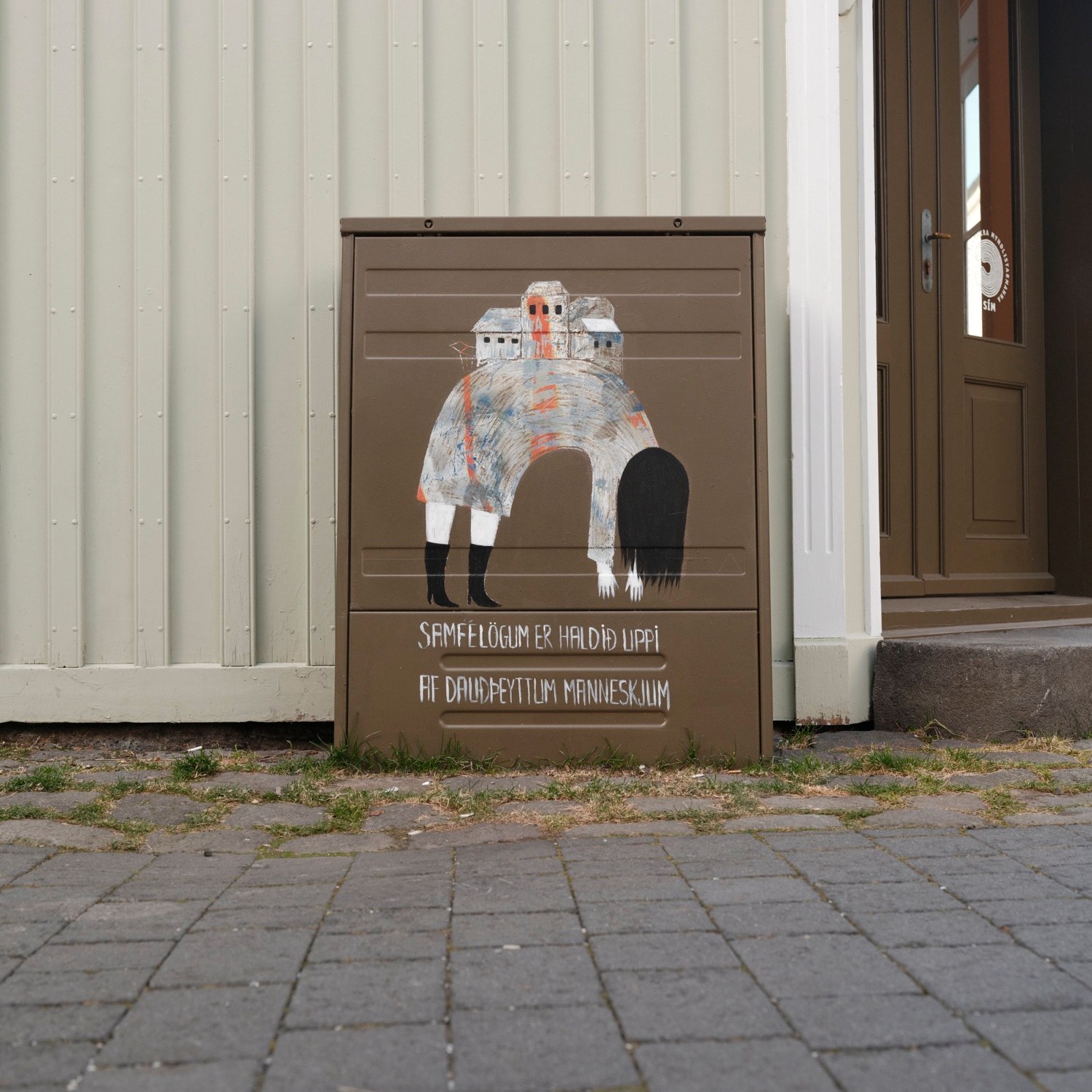
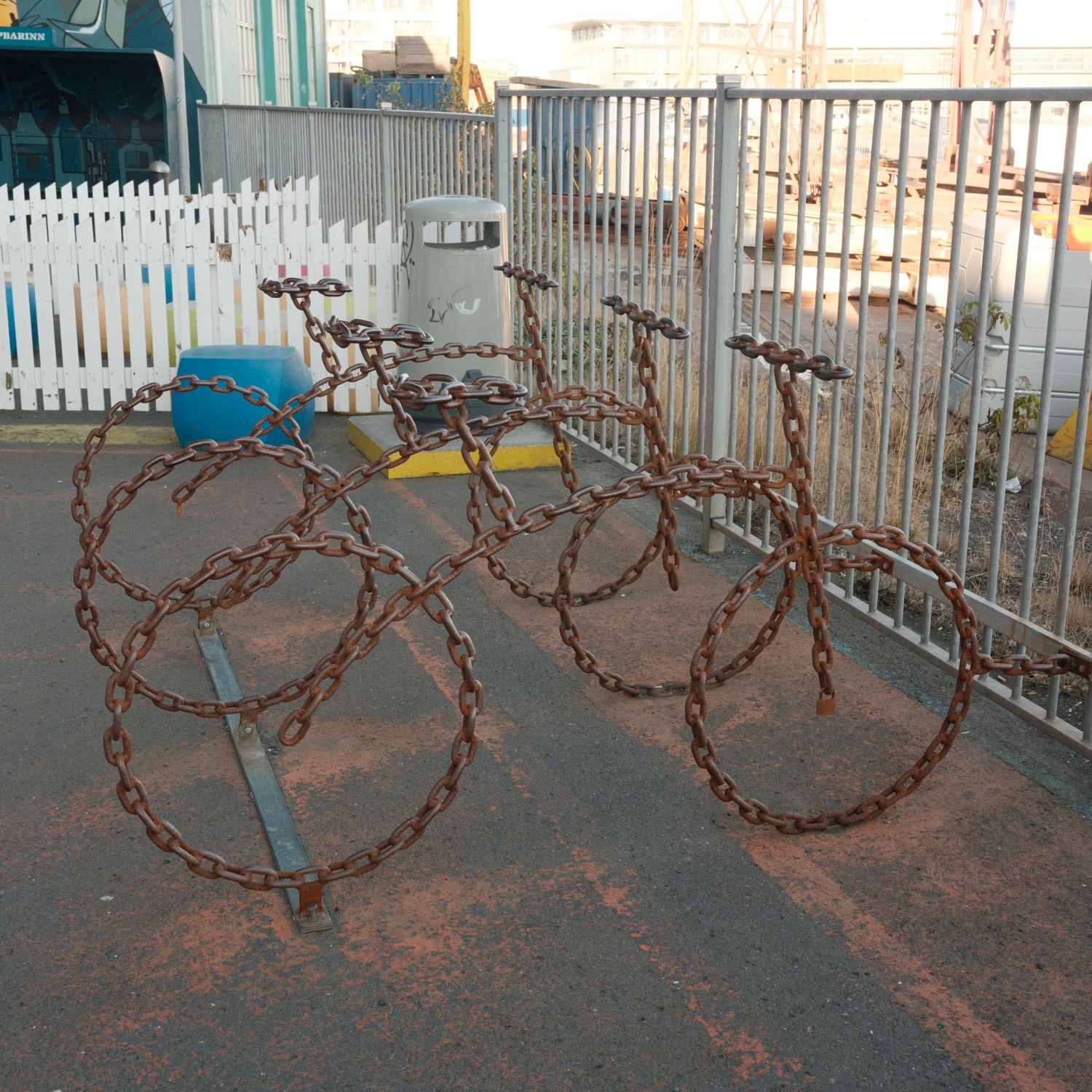
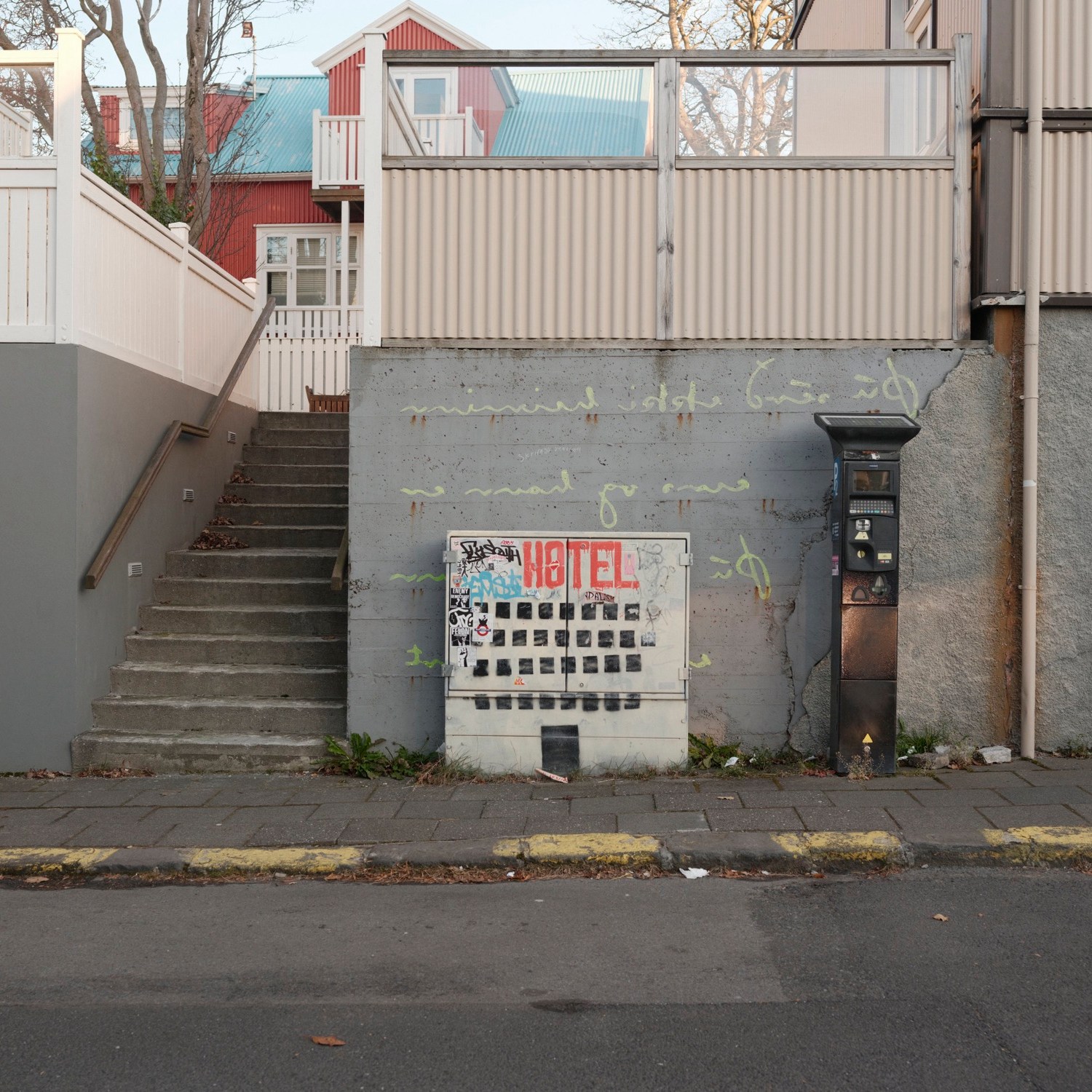
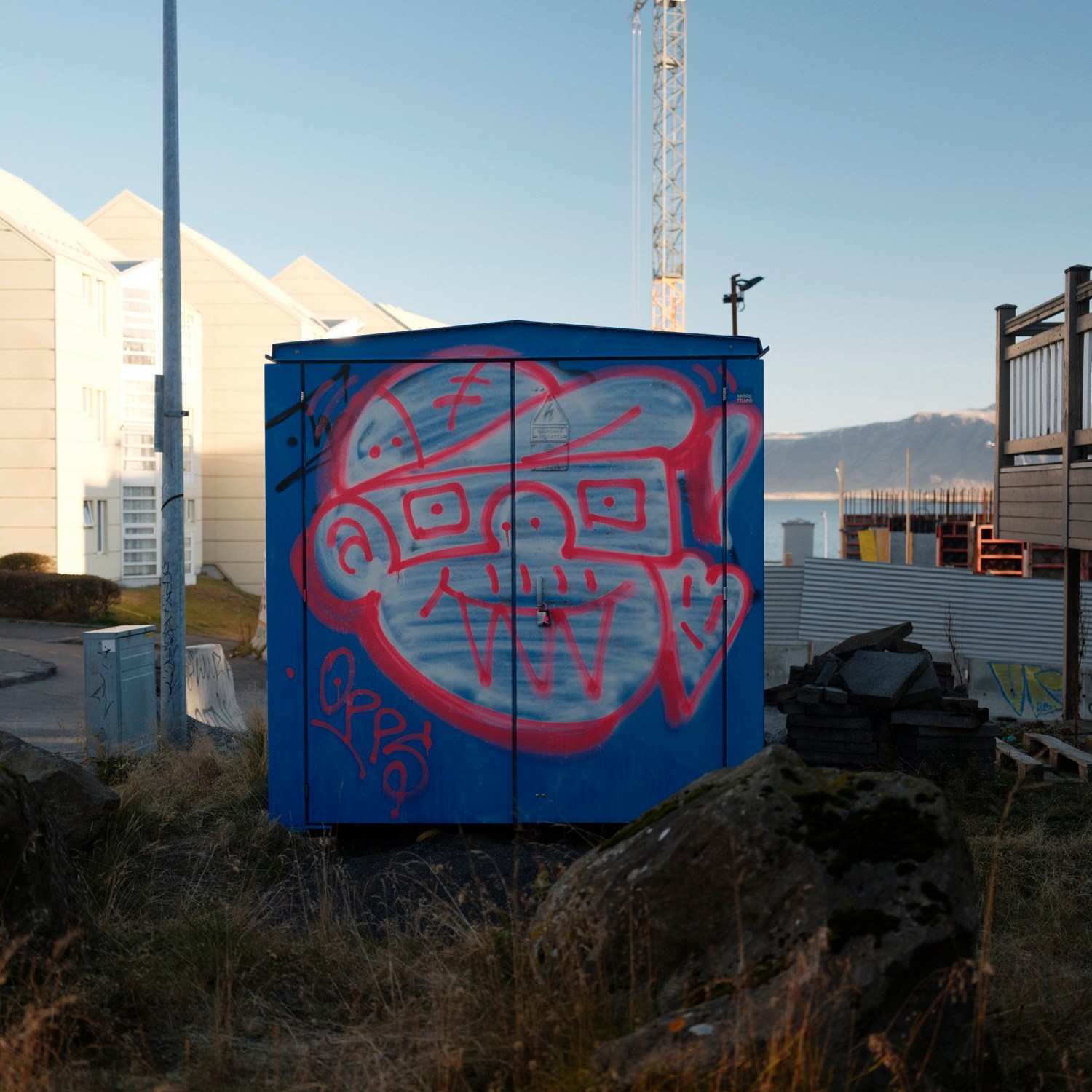
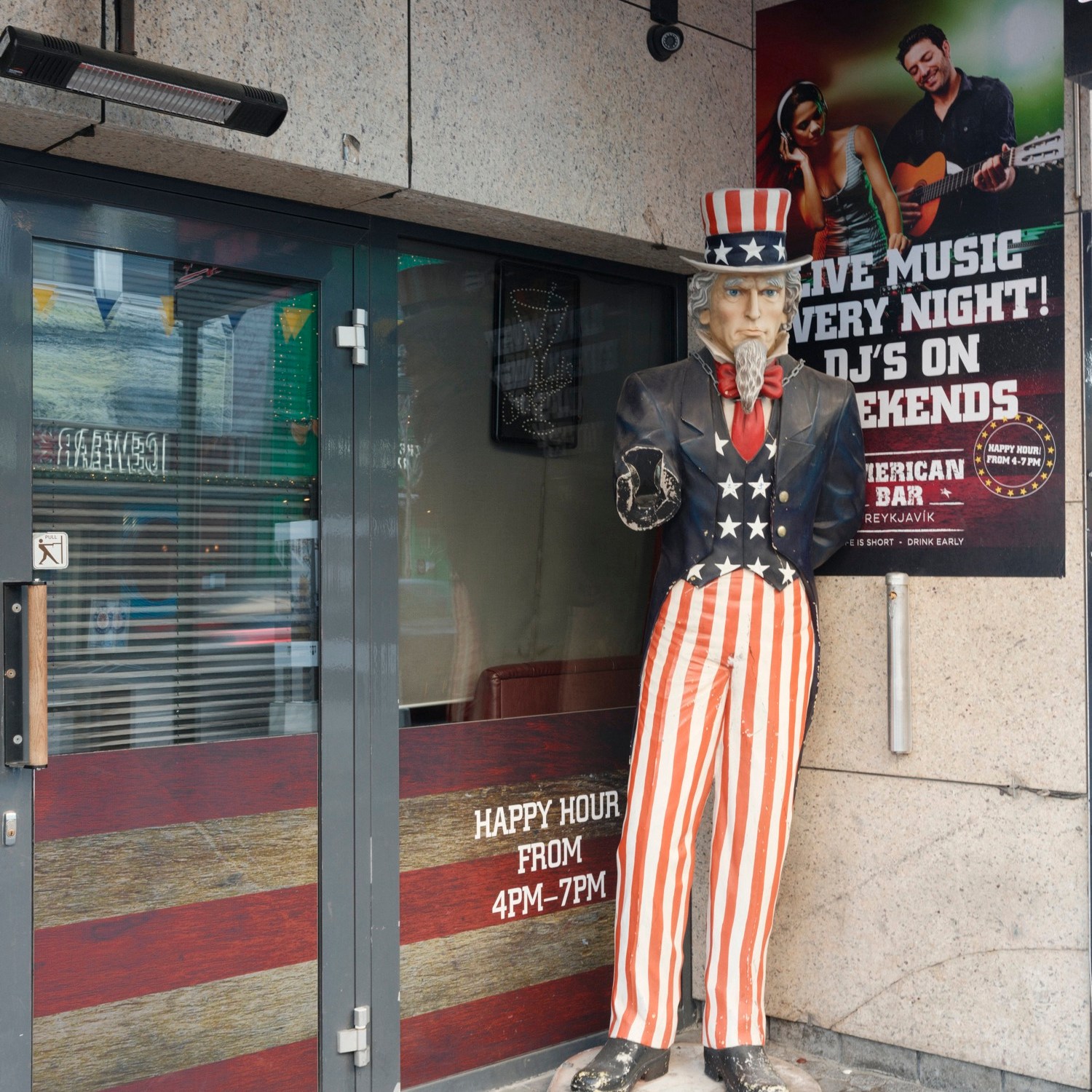
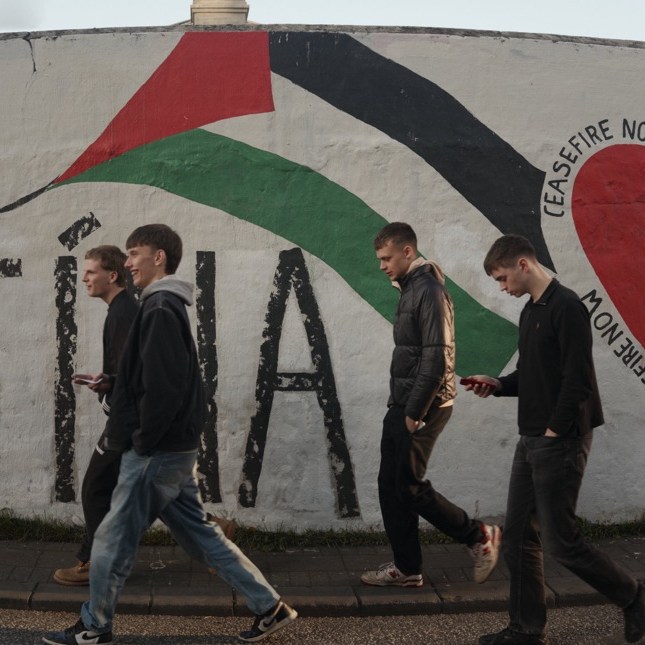
The next day or so is spent walking around central Reykjavik and finding street art and graffiti and new places to eat and finishing up some shopping for warmer clothes, water and snacks for the road.














 The Screaming Wall
Leave a comment