
The next morning, the meteorological service issues a warning for high winds over the south of the country (Iceland measures wind in m/s), reaching up around ninety kilometres per hour.
We load our things to the car and head down to the Reynisfjara beach with the Hálsanefshellir Cave, something we didn’t get time for on the previous day. By the time we get back out on the road the wind has picked up.
The Hálsanefshellir and surrounding cliffs are formed from basalt, wind and water. Despite the gales, the parking lot and beach is filled with tourists, looking to get a shot of themselves or their partners posed against the basalt columns or the crumbling cave wall. We take a few photos, but the tide hasn’t full gone out, so there’s no way to get a clean shot of the rock formation off the coast. And the wind is proving a problem too.
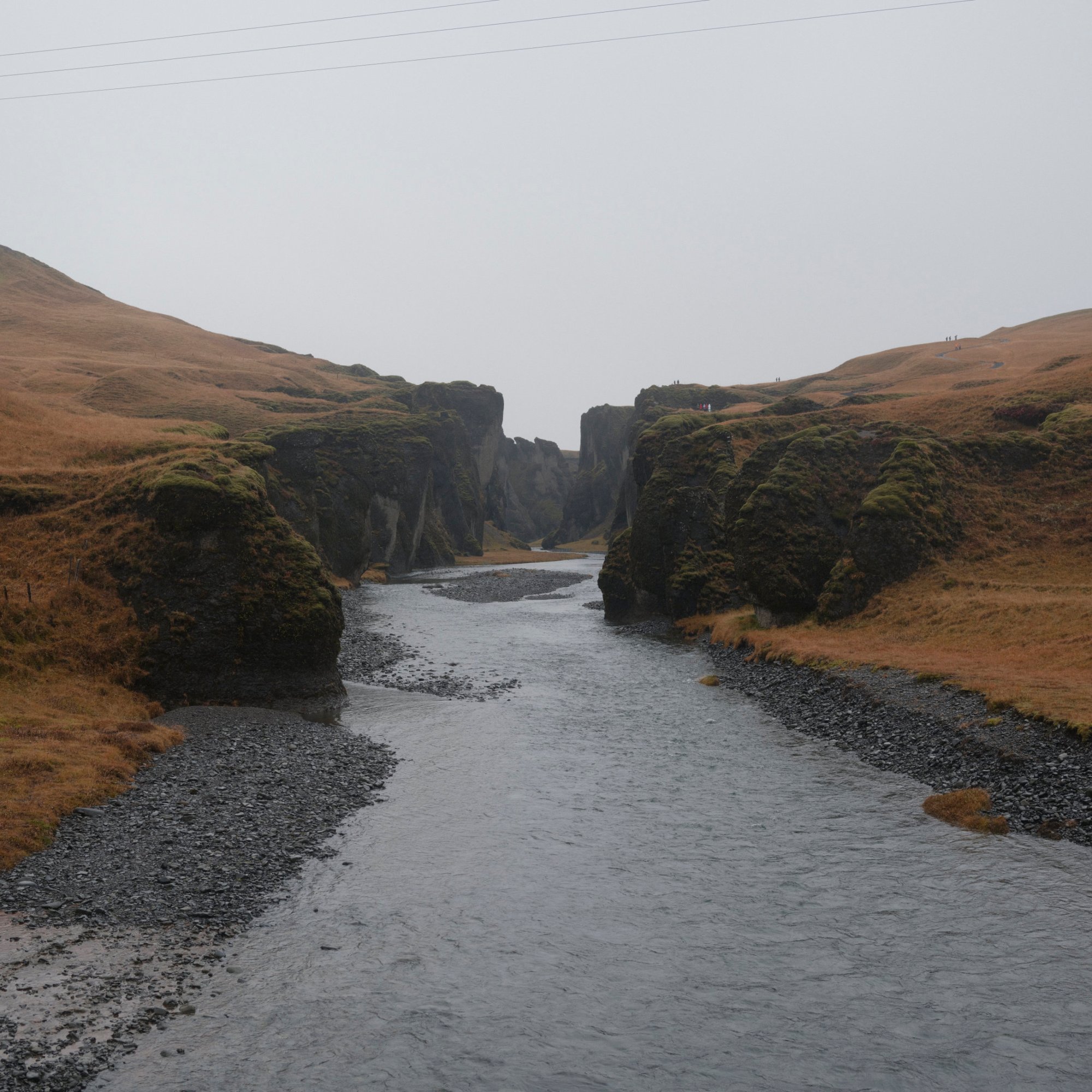
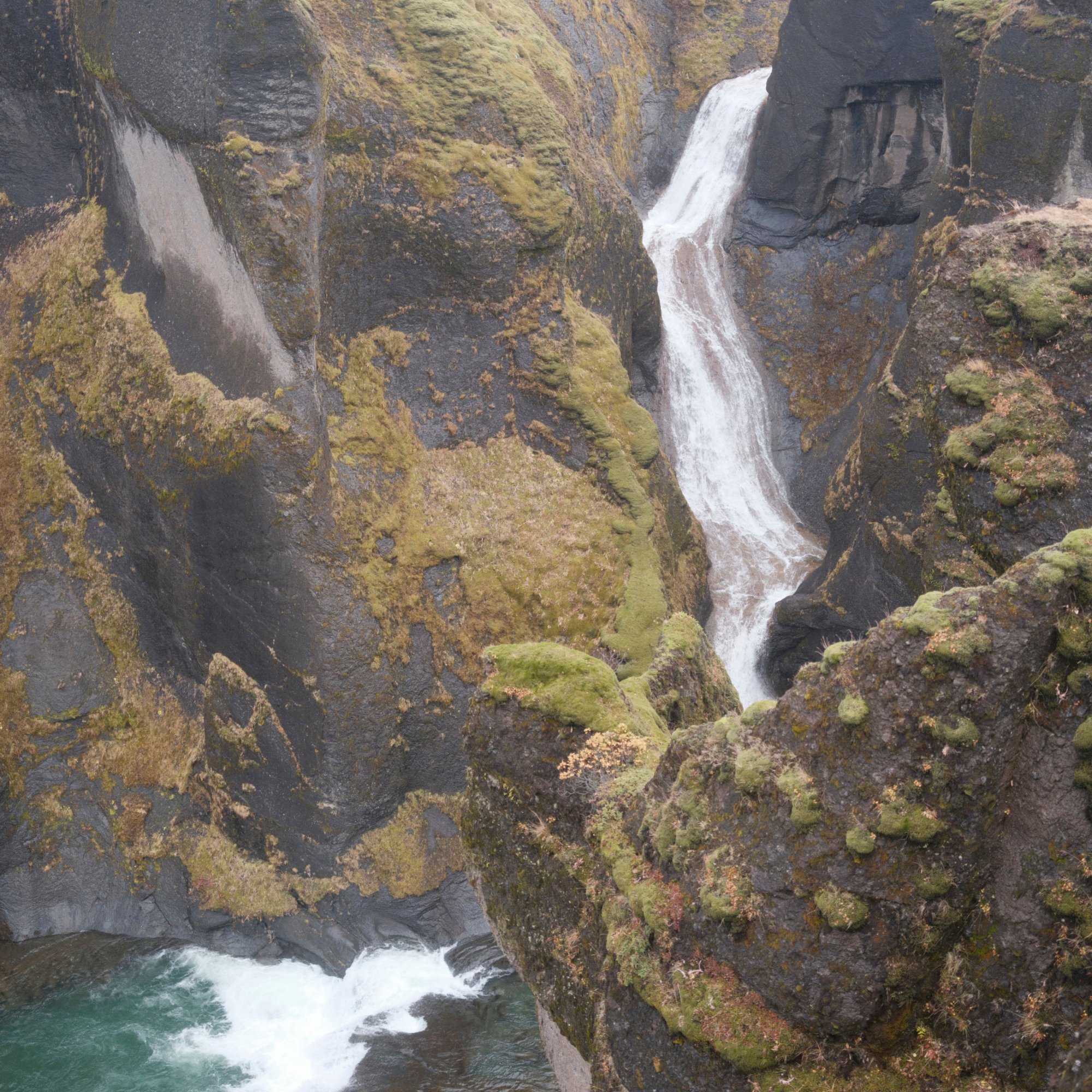
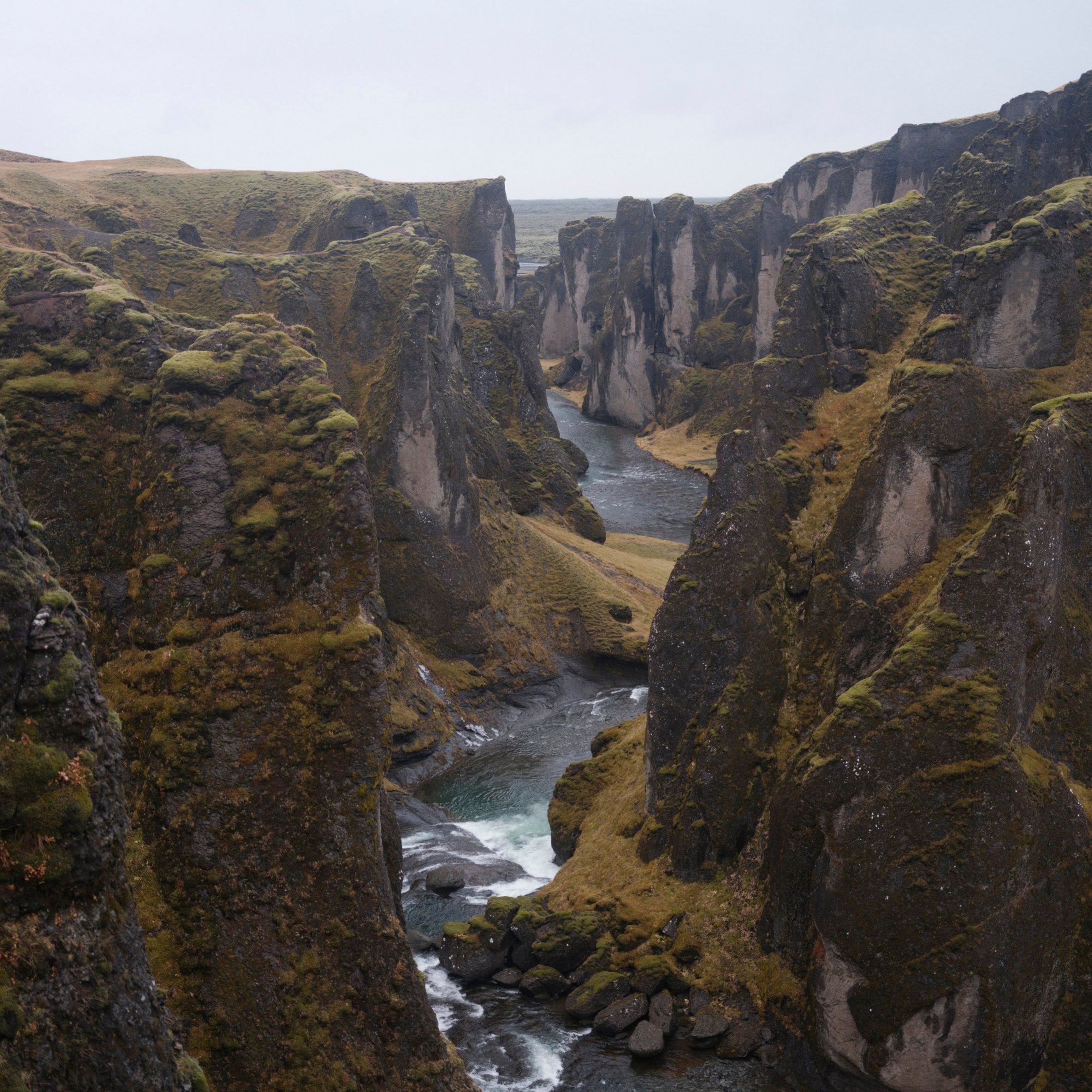
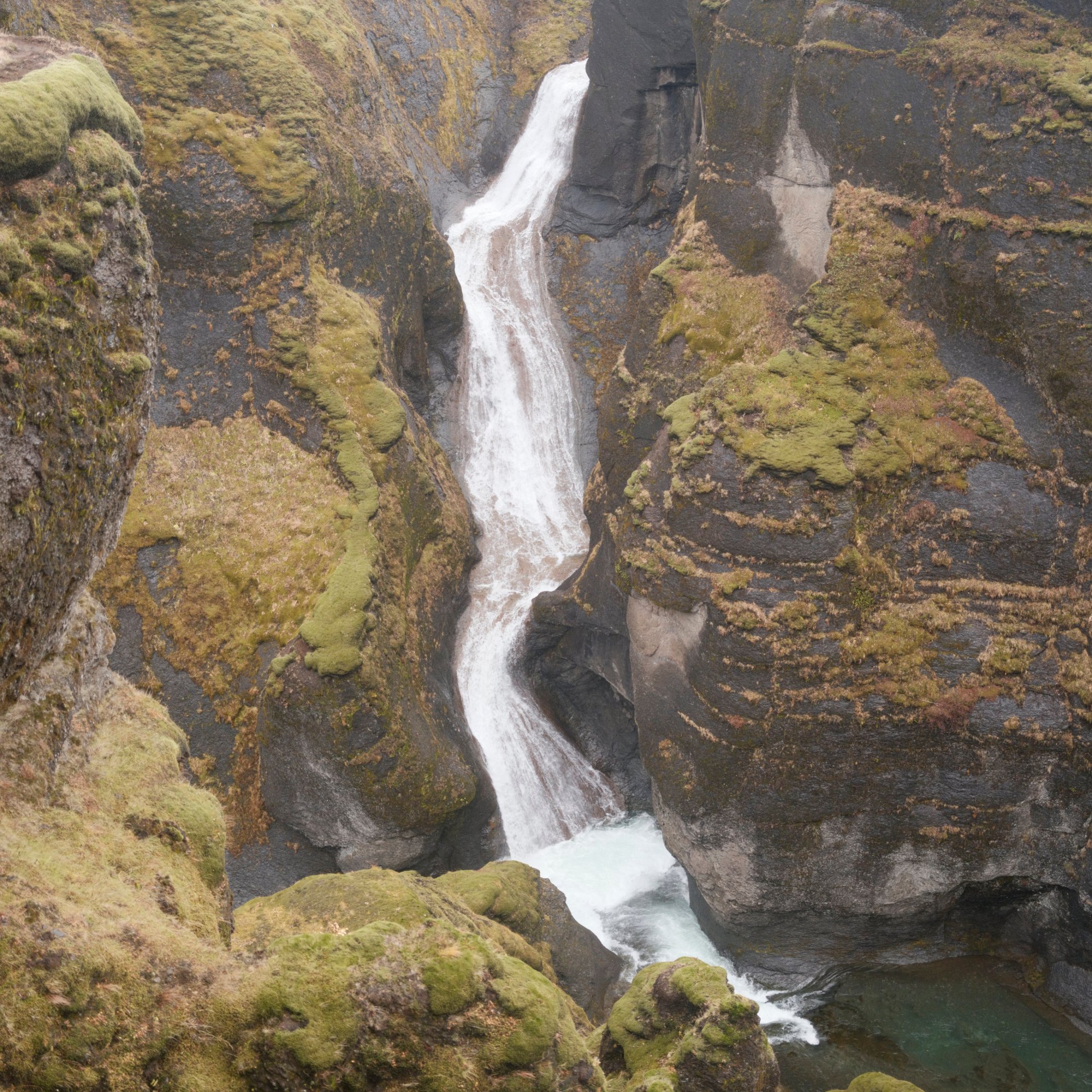
So back in the car, we head towards Kirkjubæjarklaustur. Our next accomodation for the night is Hunkubakkar Guesthouse, a farm hotel. Farmers have been running small guesthouses and hotel to get a foot in the tourism economy. We get a cabin and then set out for Fjaðrárgljúfur. Fjaðrárgljúfur is a scenic canyon cut by the flow of a river. There is a volcanic rock-strewn path along side the canyon to make the walk a bit easier and to get some decent shots of the mossy rock formations. At the observation deck, you can catch a view of a small waterfall, Mögáfoss, which feeds the (unnamed as of writing this) river. We then attempt to look at Gönguleið um Eldhraun, which is a vast moss-covered lava field. Next to the parking lot is a viewing platform, but here the wind is unrelenting and throwing debris. So we opt to return to the cabin and wait for dinner offered by the hotel.
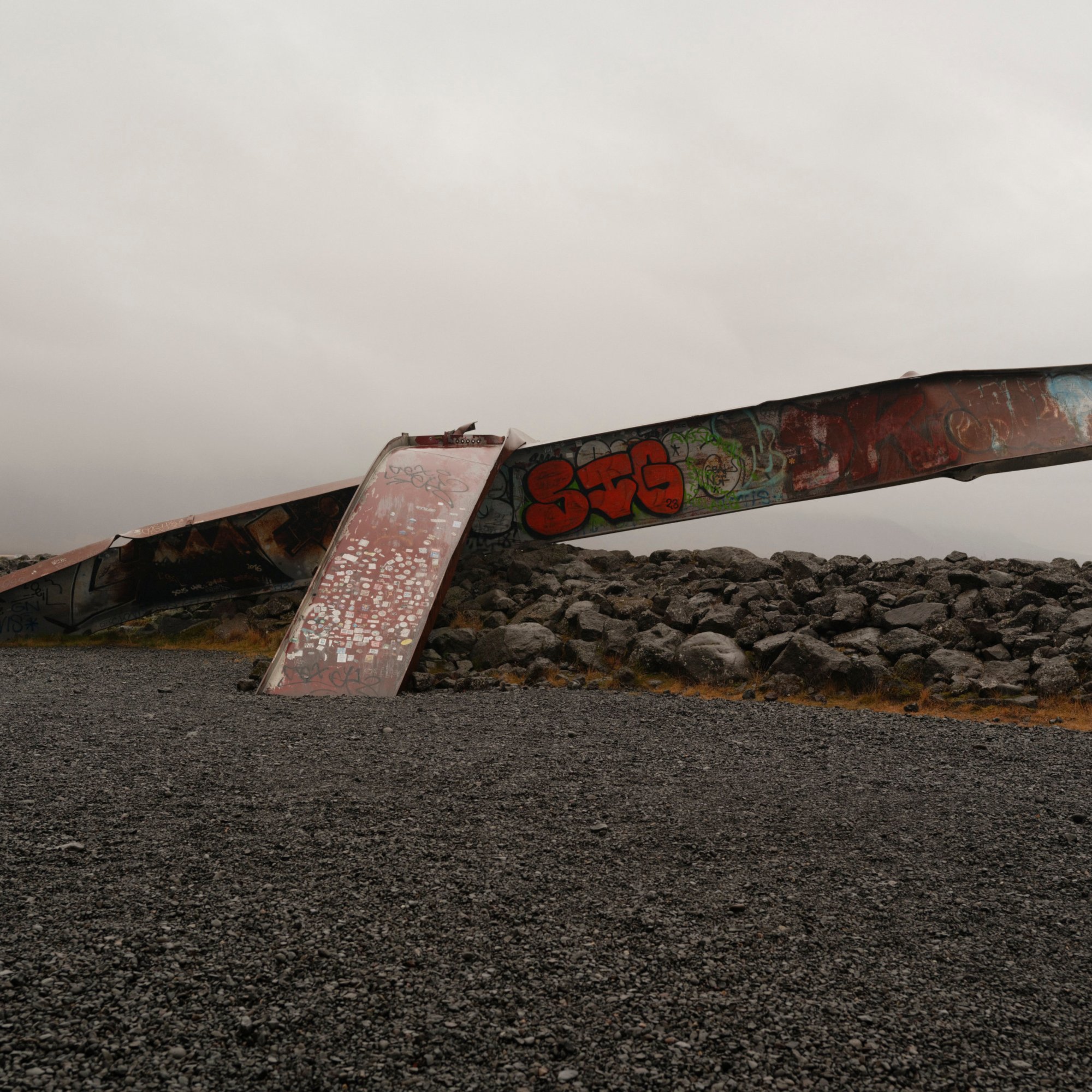
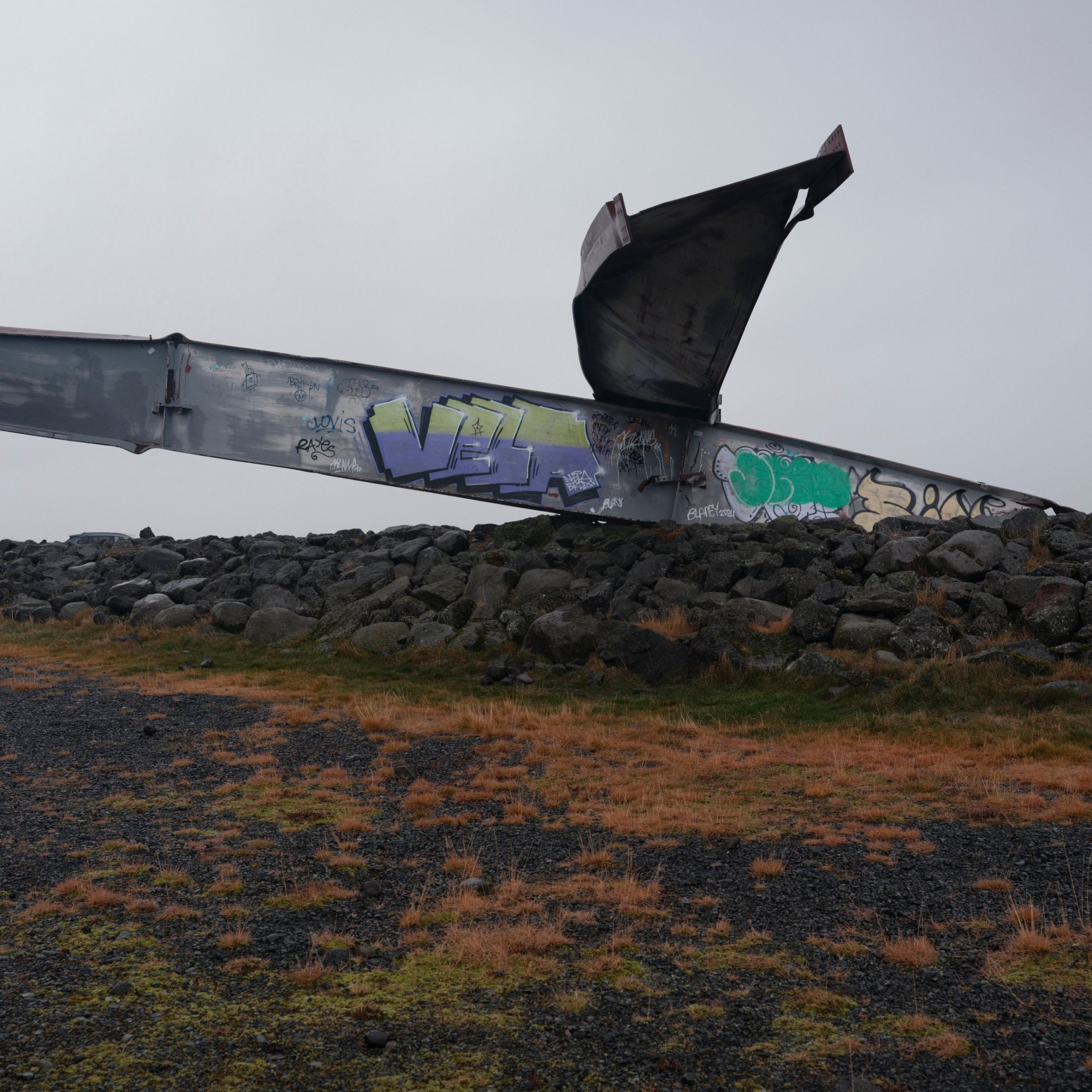
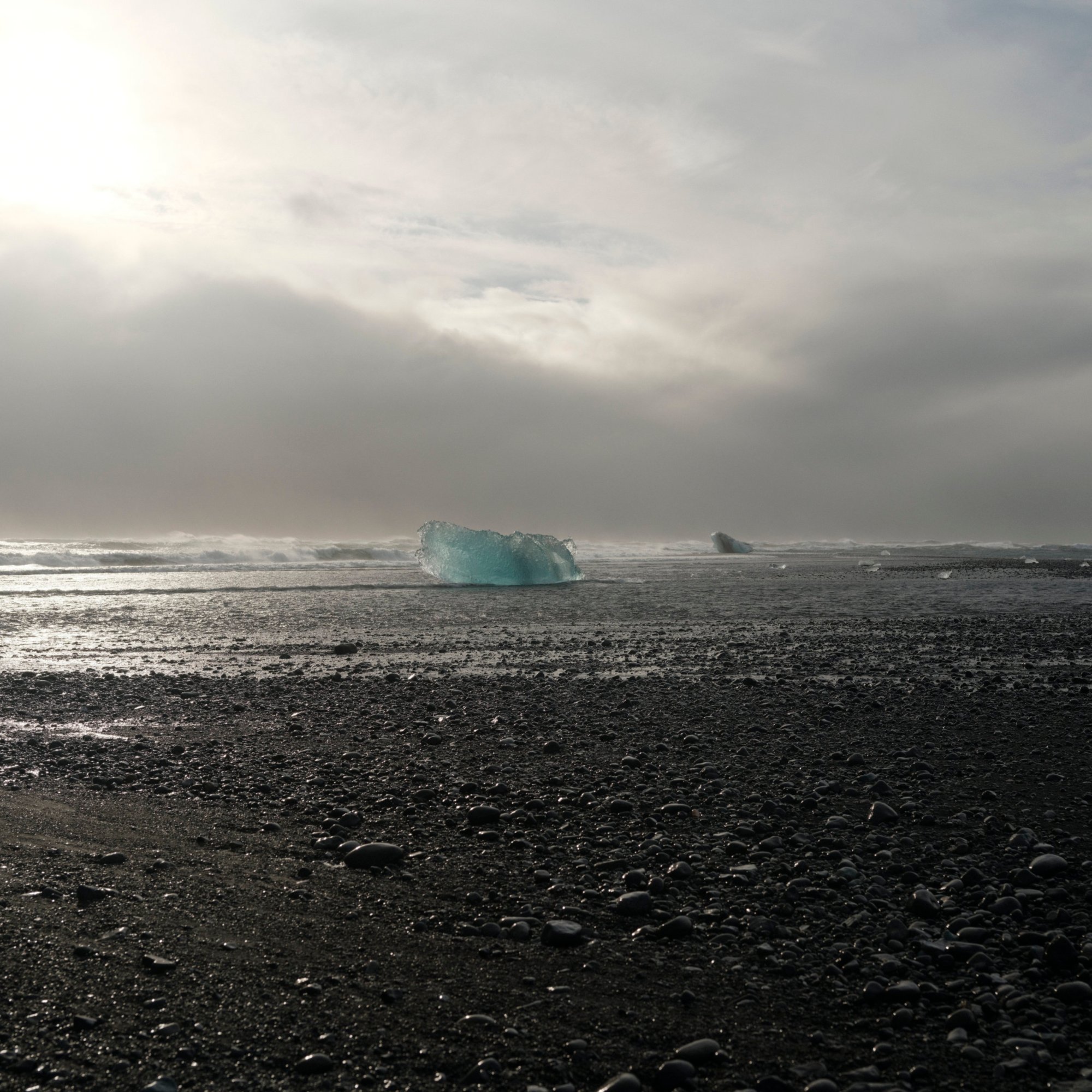
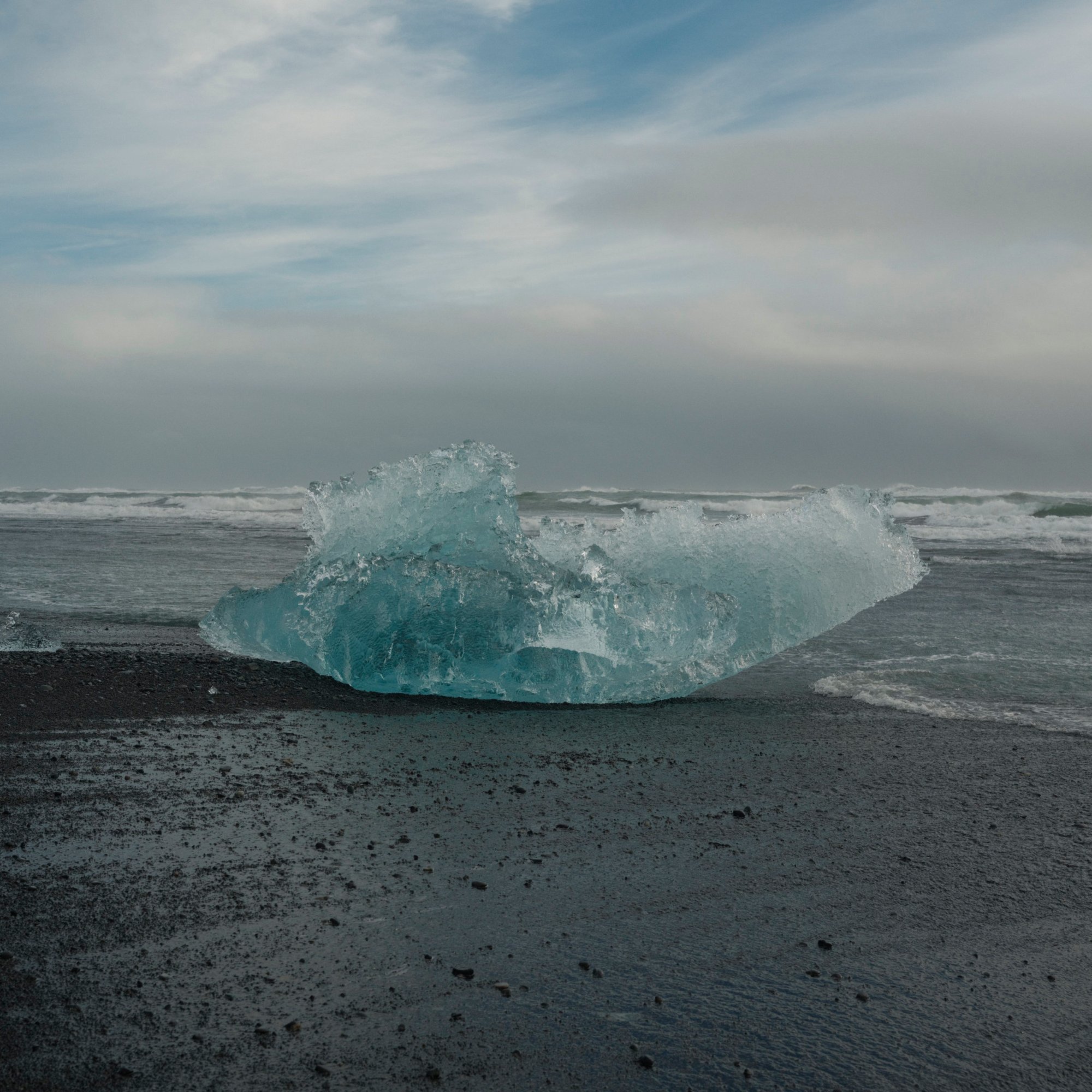
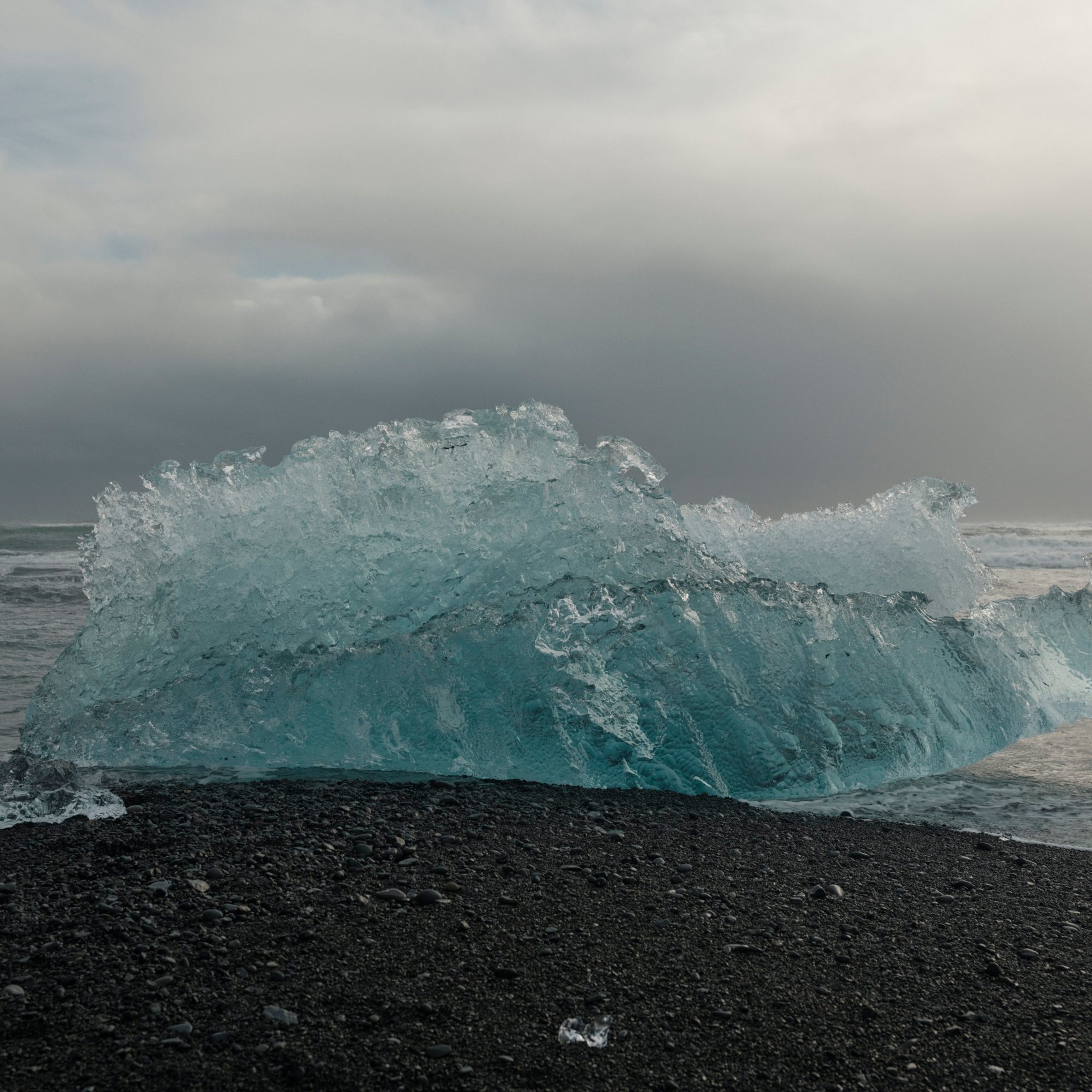
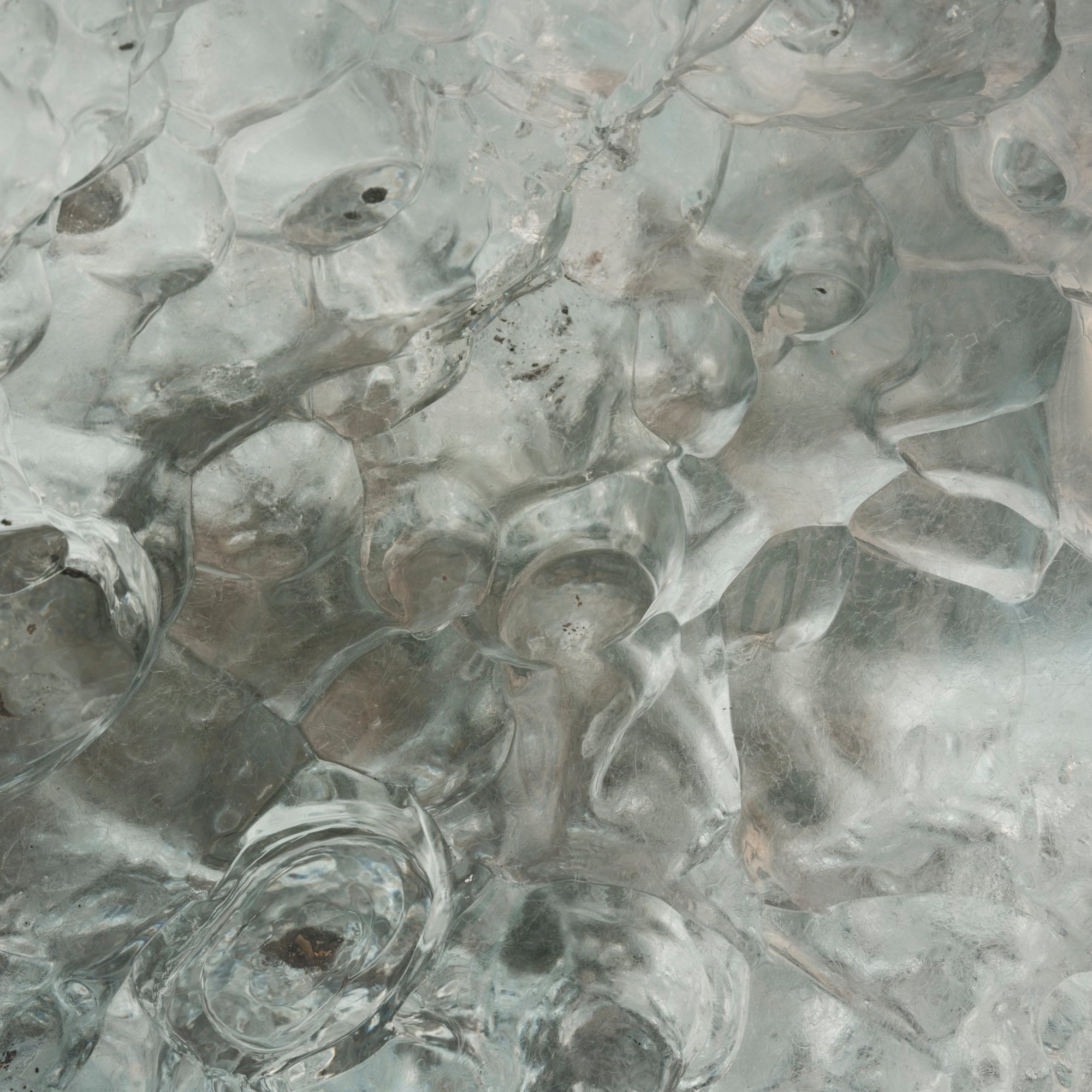
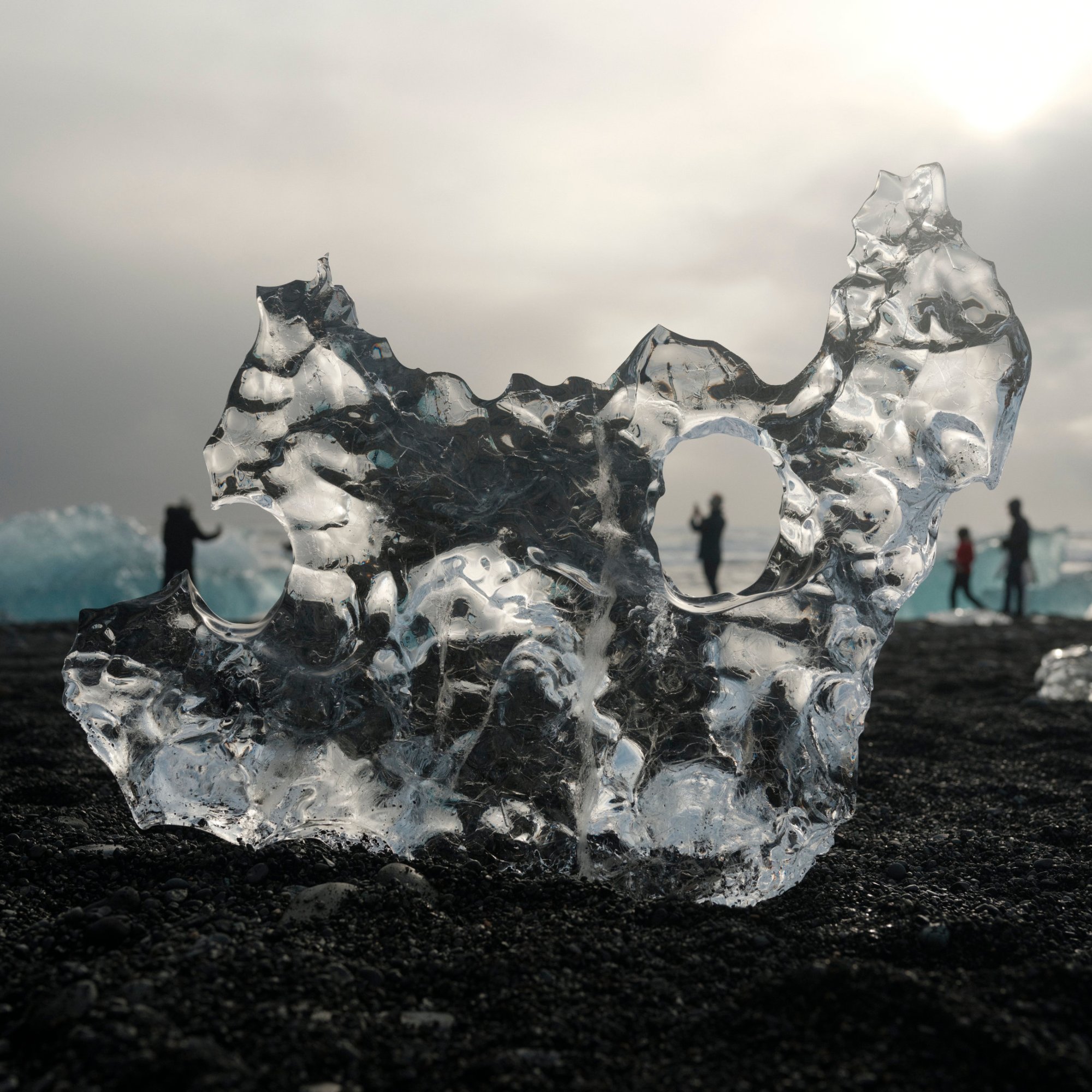
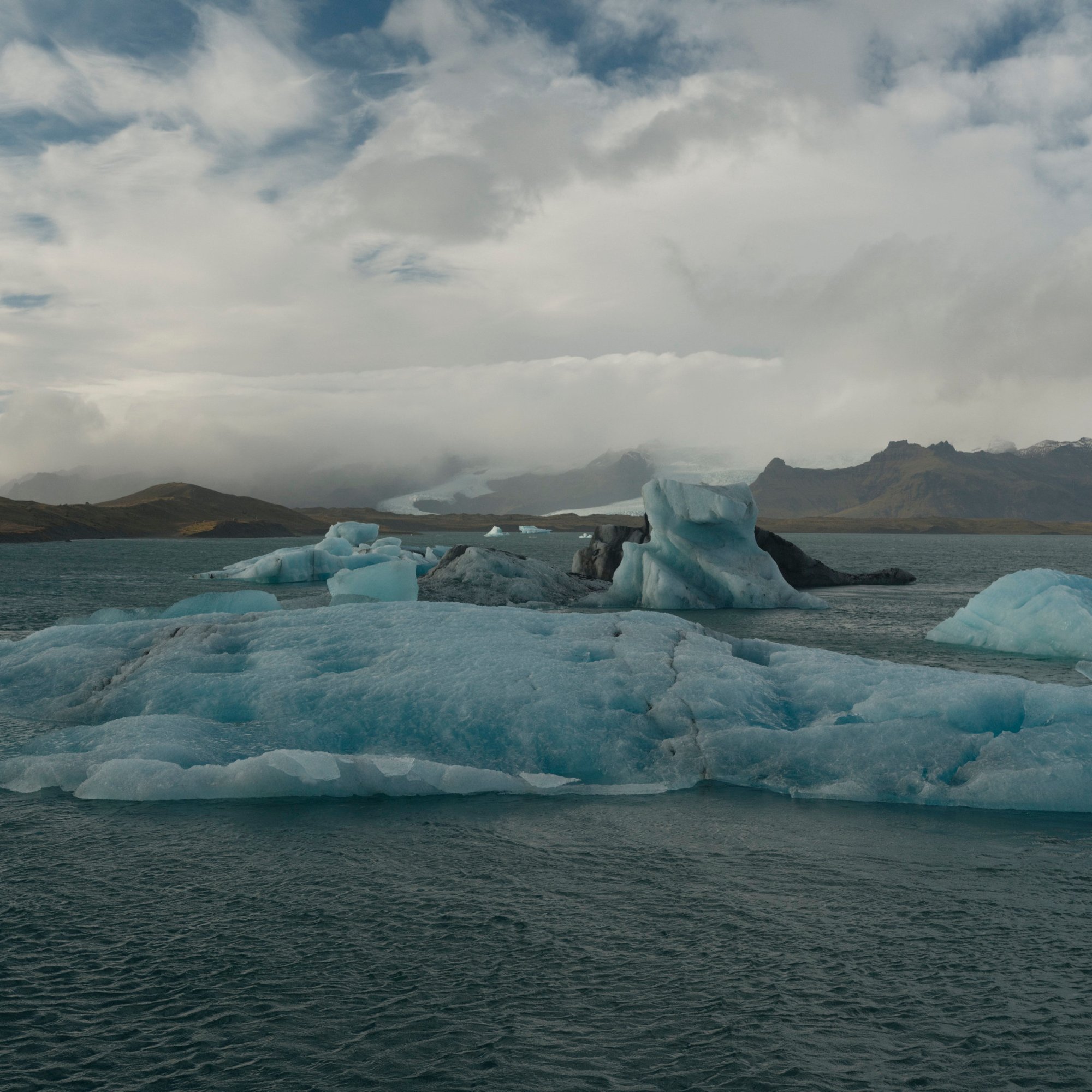
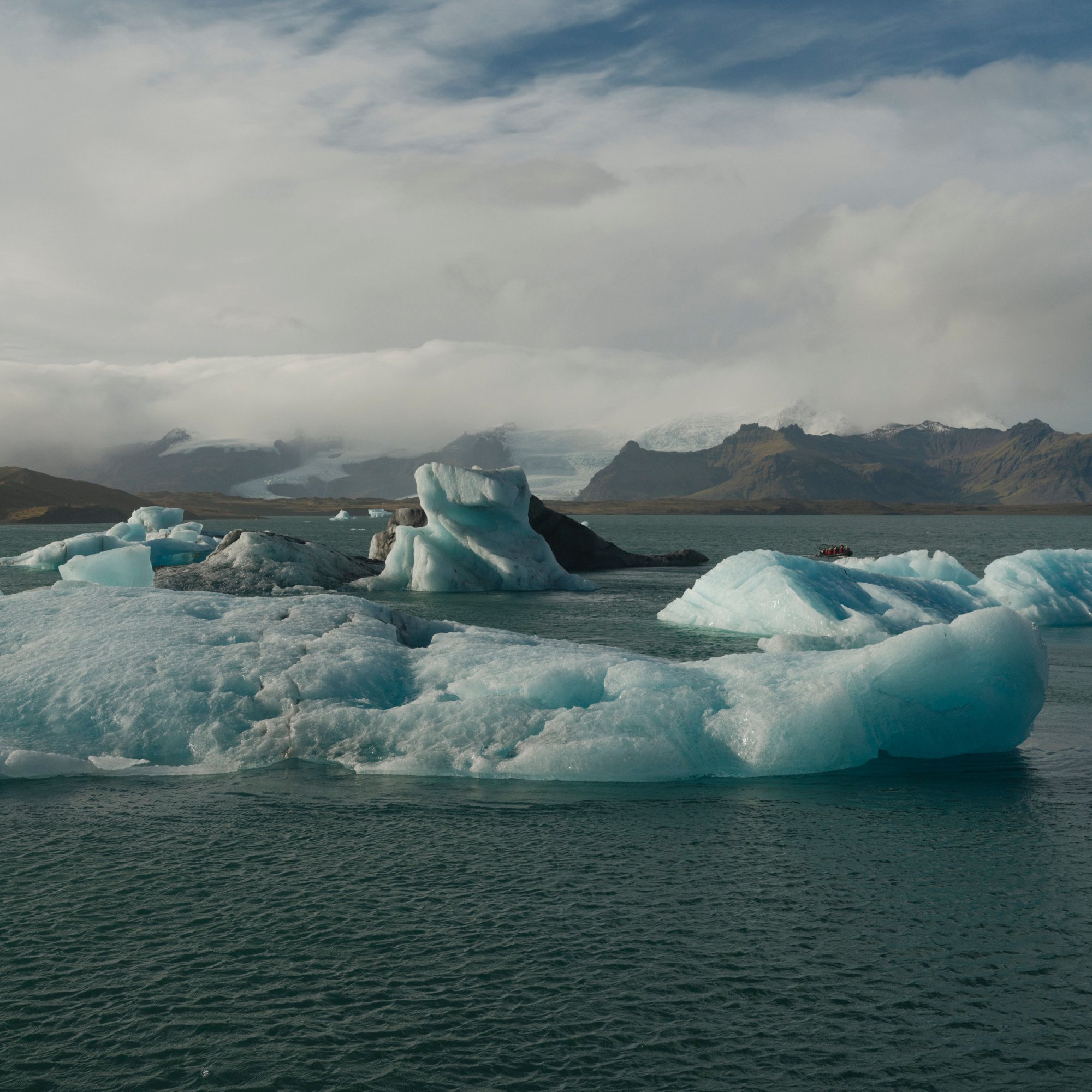
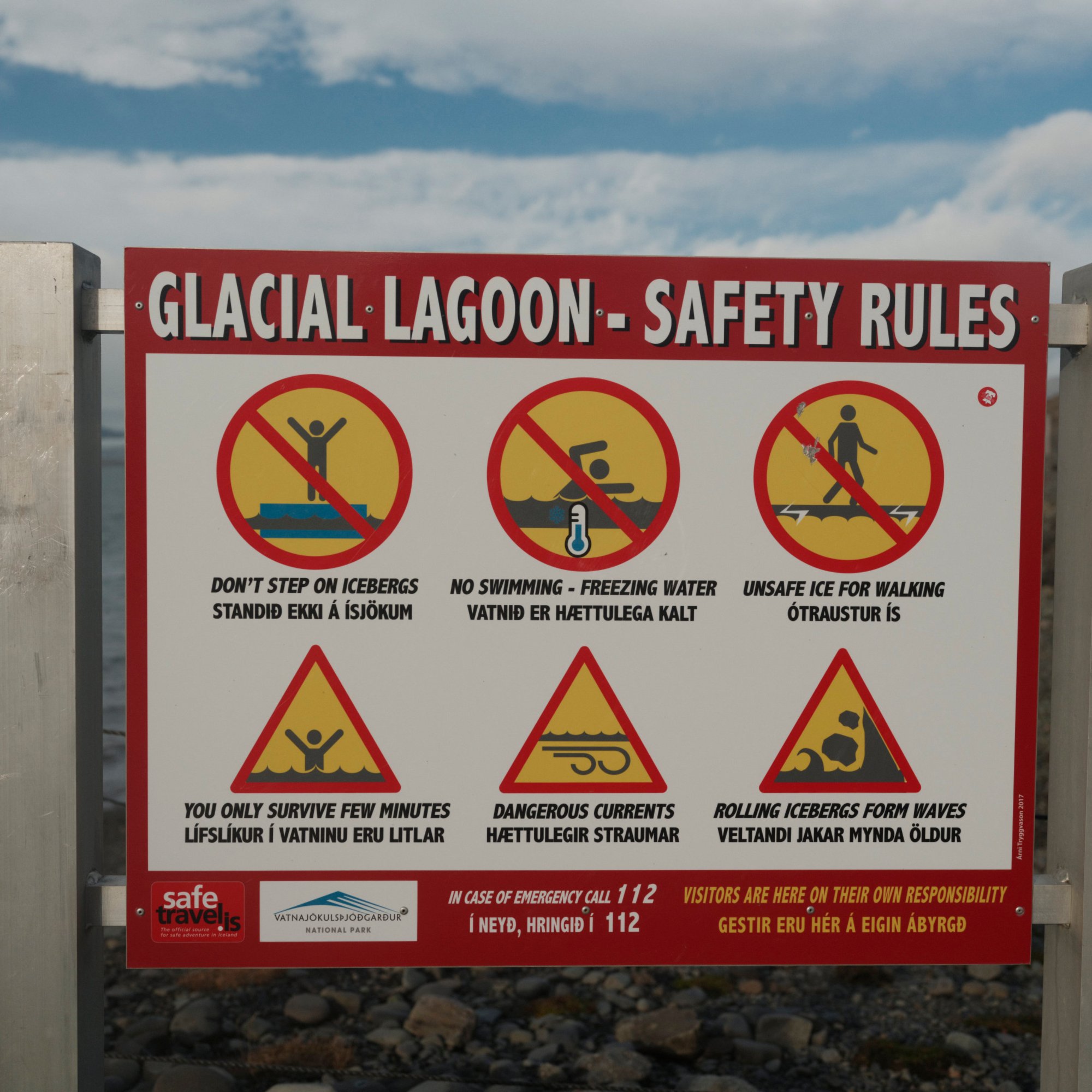
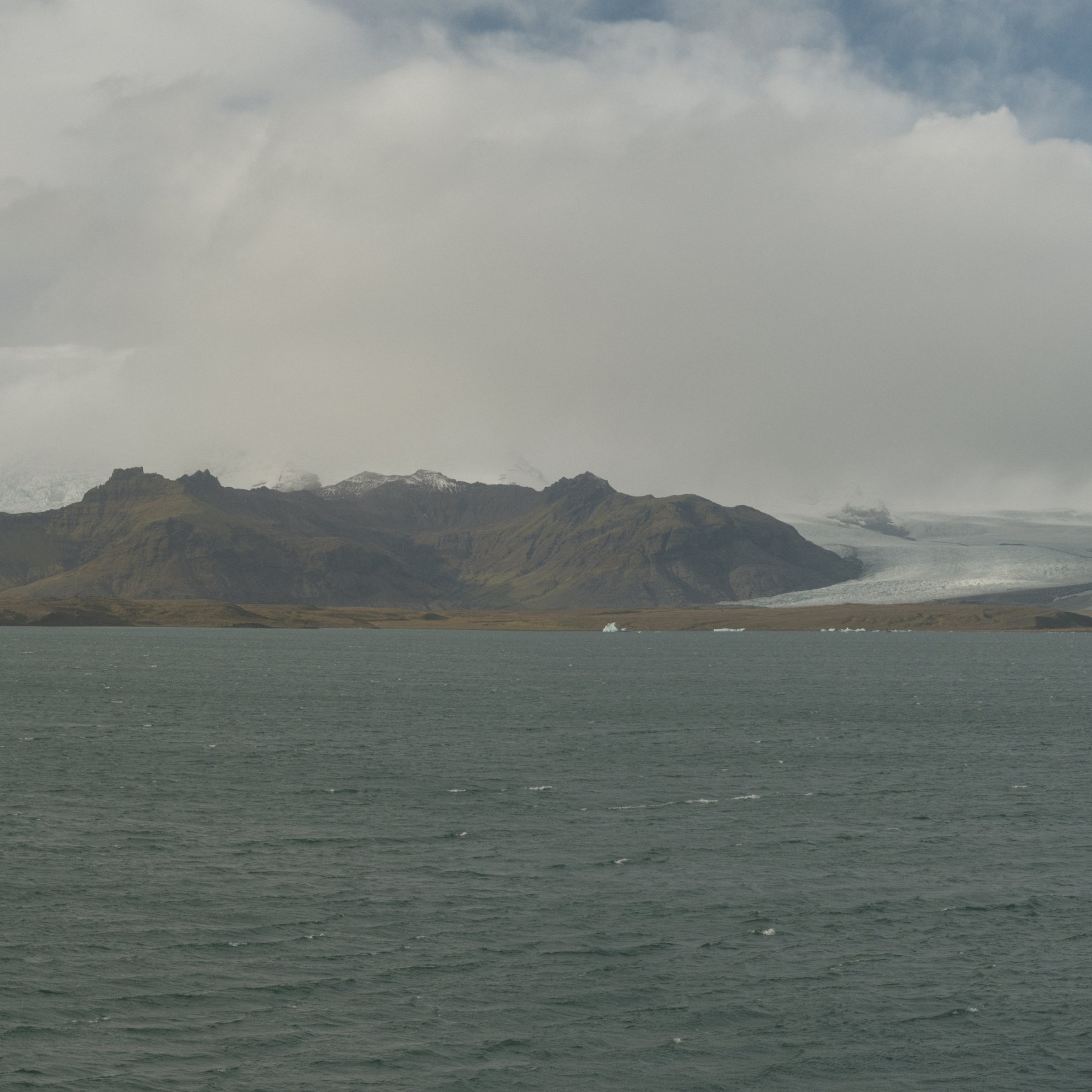
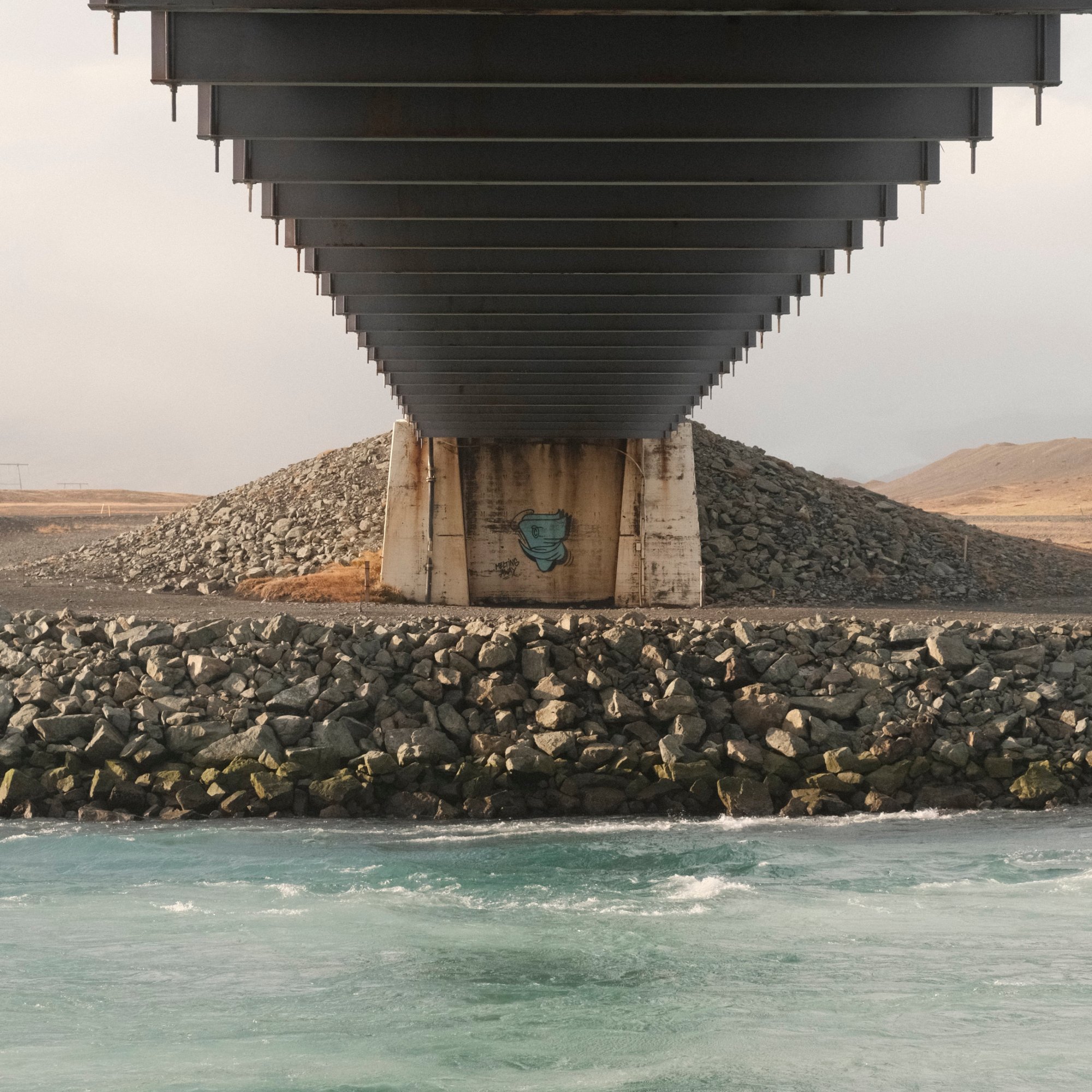
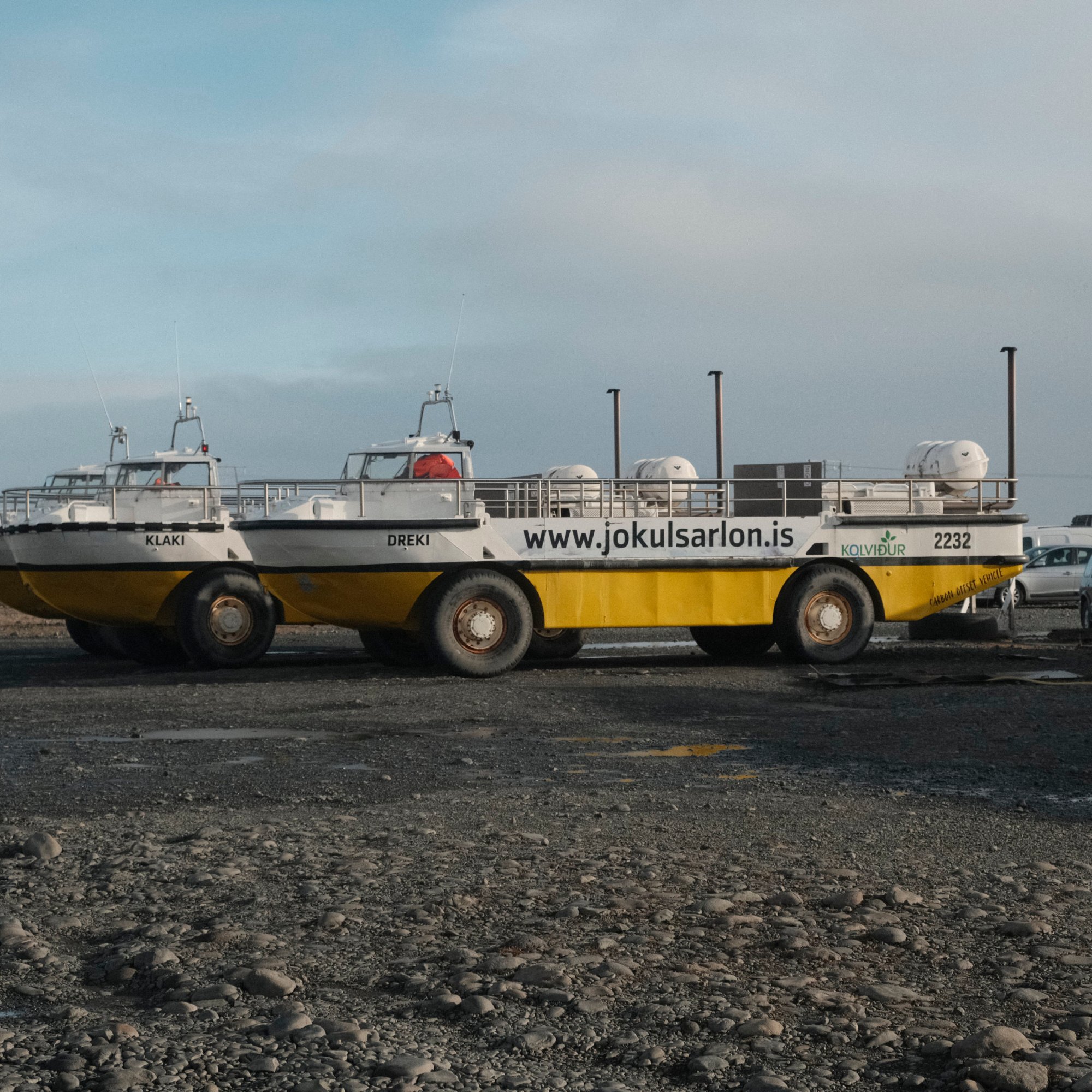
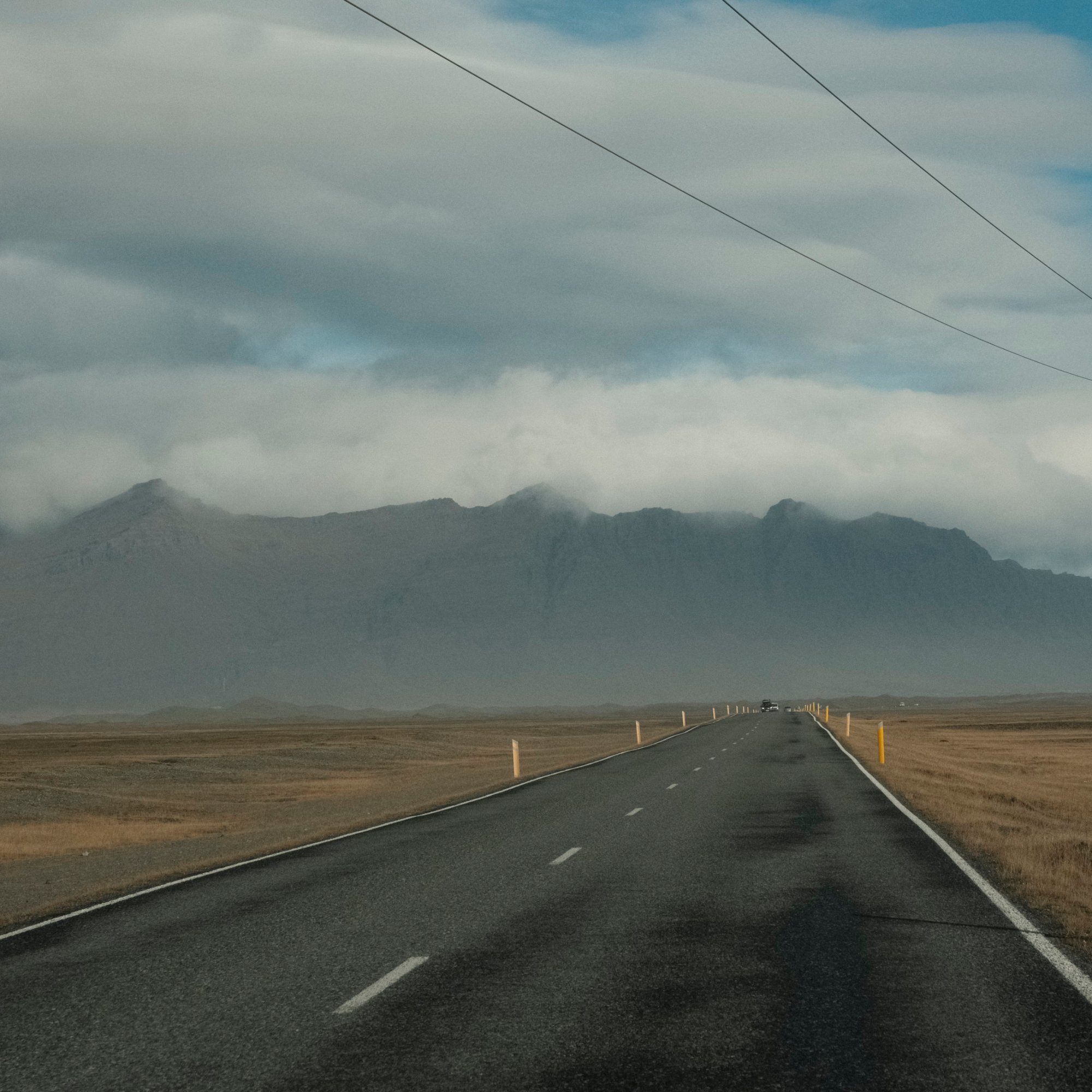
The next morning we’re on our way to Höfn. We pass by the Skeiðará Bridge Monument, where a bridge was swept away by a glacial flood in the mid-nineties. Along the way we stop at the Diamond Beach and the Jökulsárlón Glacier Lagoon. Both the lagoon and beach are fed icebergs and chunks of ice from the glacier on the northern end of the lagoon. Ten years ago, most of this lagoon was filled with ice. Now, my heart sank on the lack of ice in the lagoon. I’m not certain about if it’s a seasonal thing, but it did seem like a very visible result of climate change. On the beach, tourists walked among and took photos of the ice that washed ashore. Some of them sat on the larger pieces for a photo op. Sneaker waves reach out to the tourists catching them off guard causing them to dart further away from the shore.
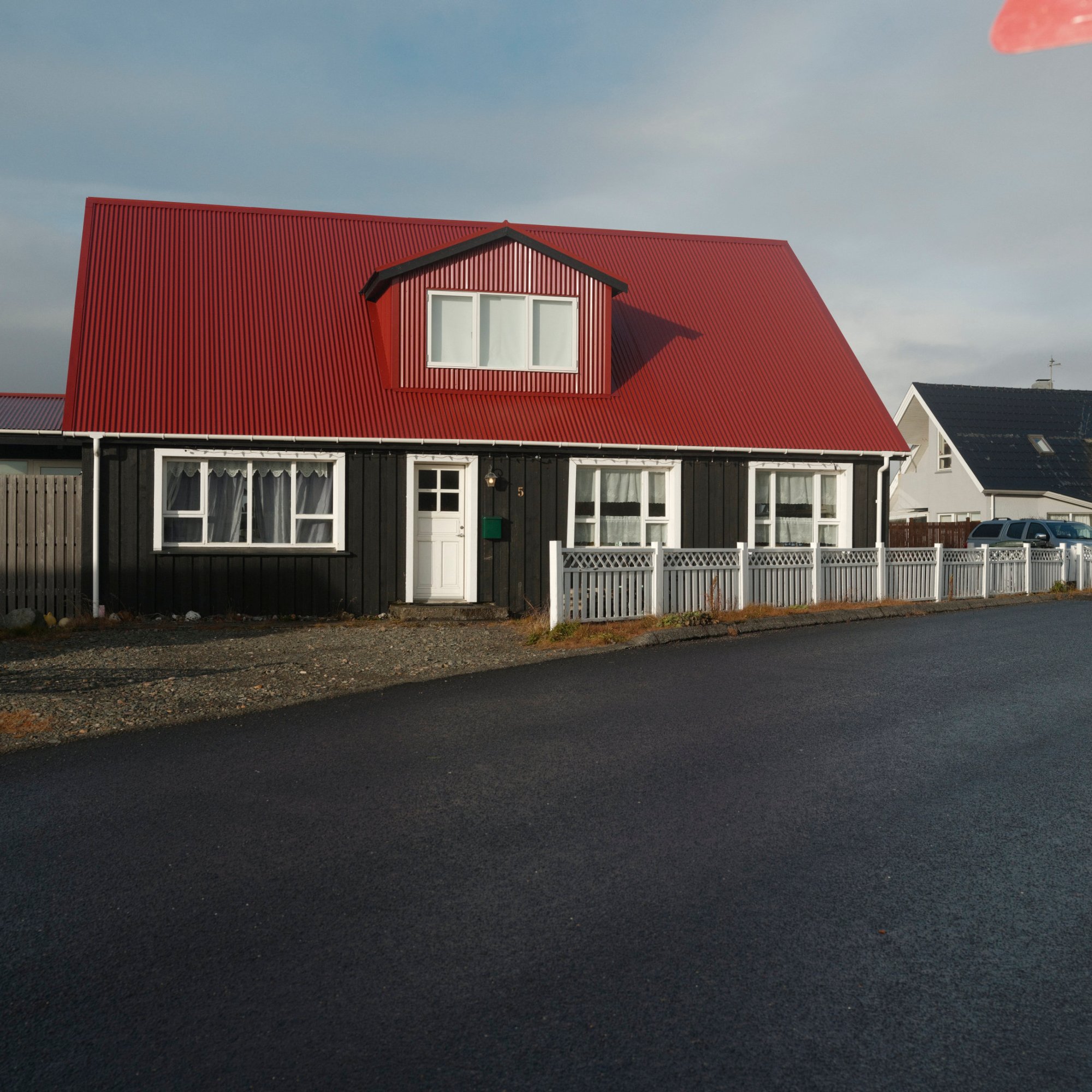
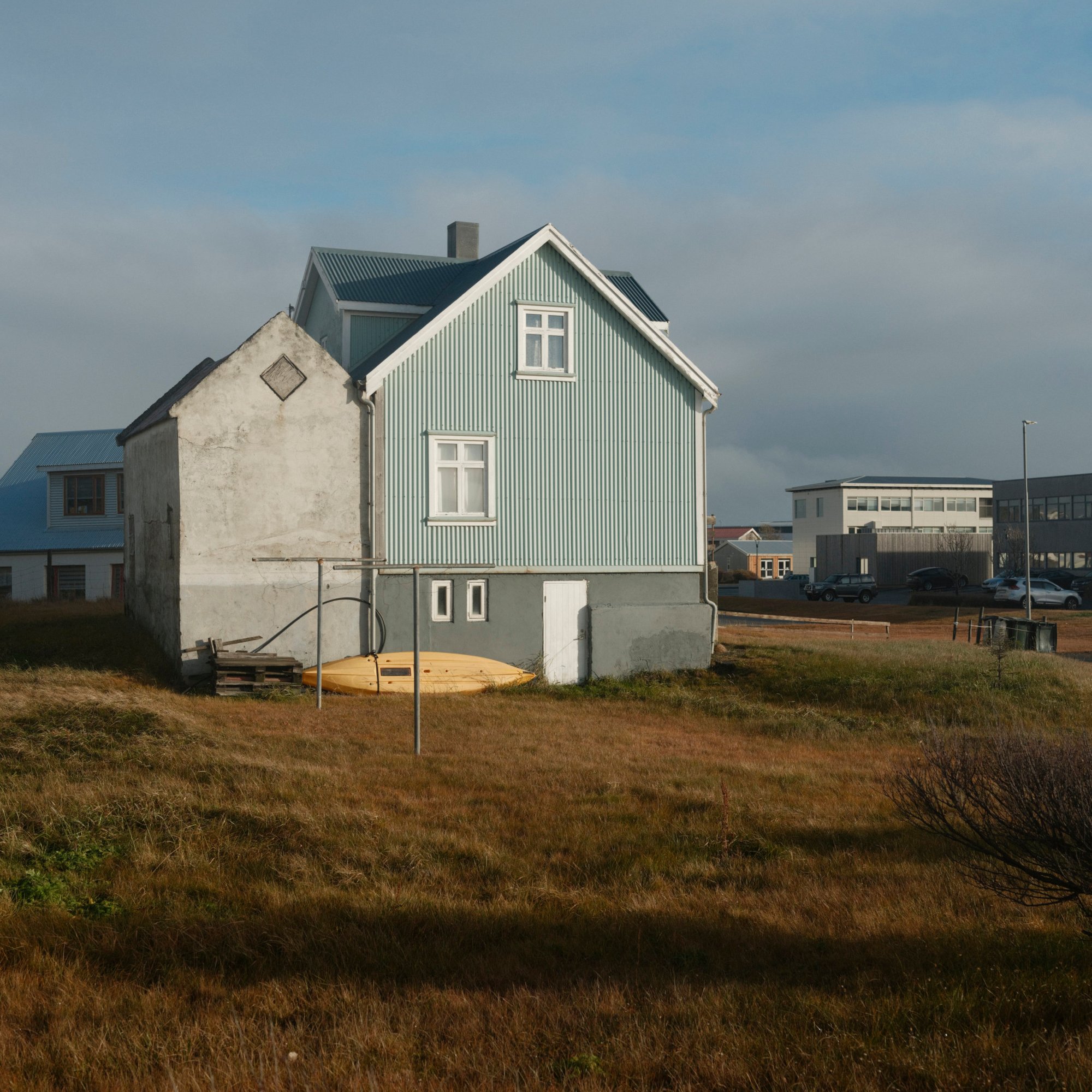
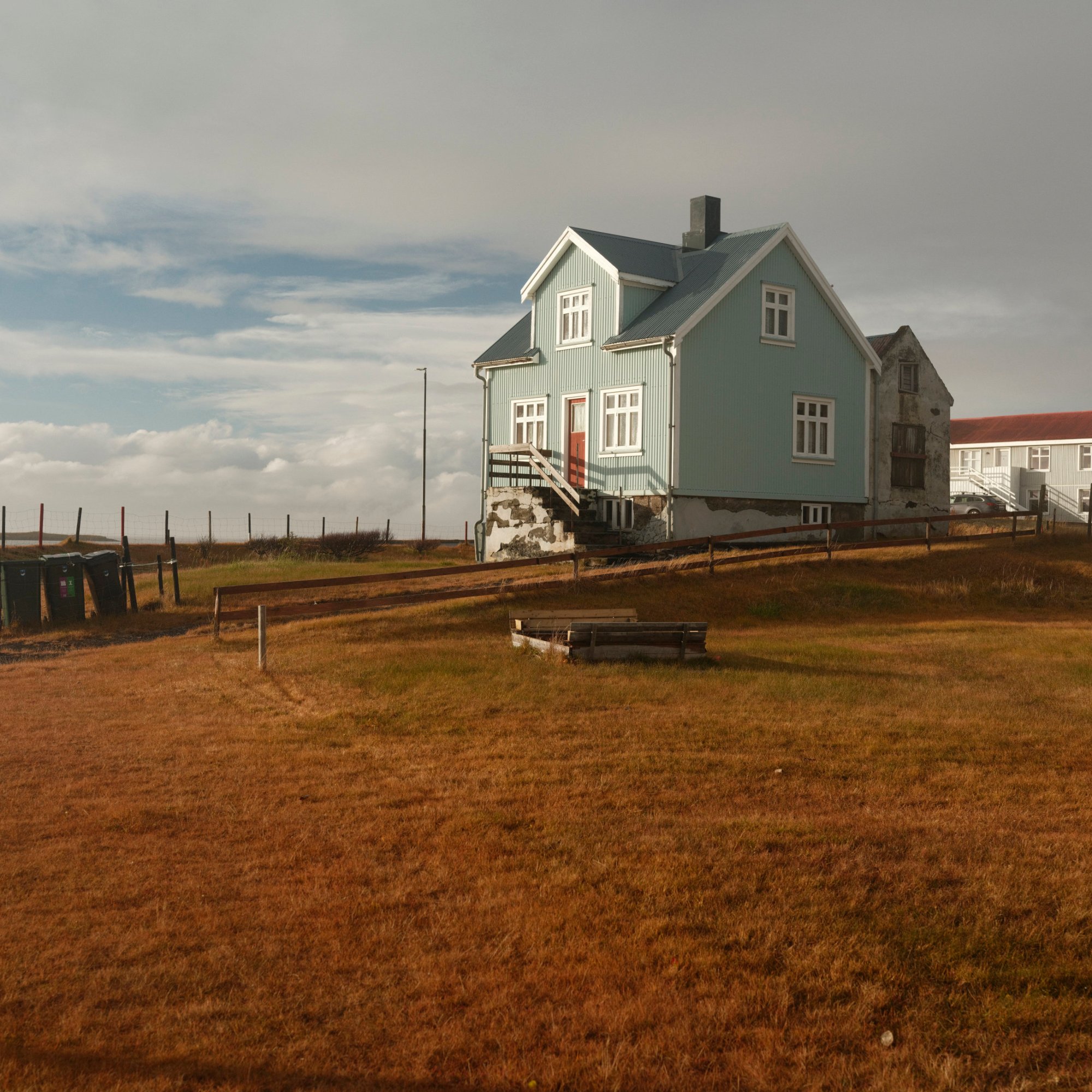
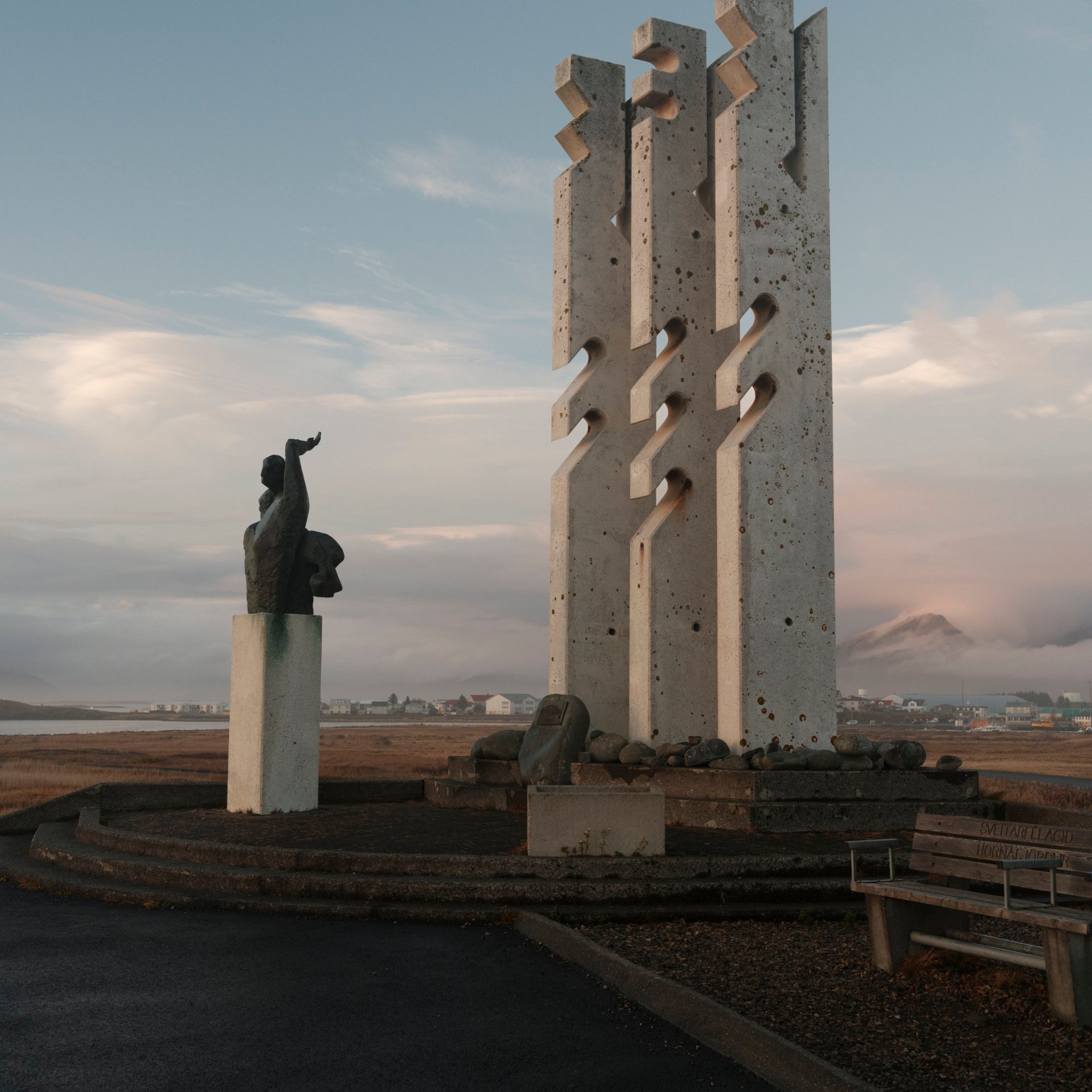
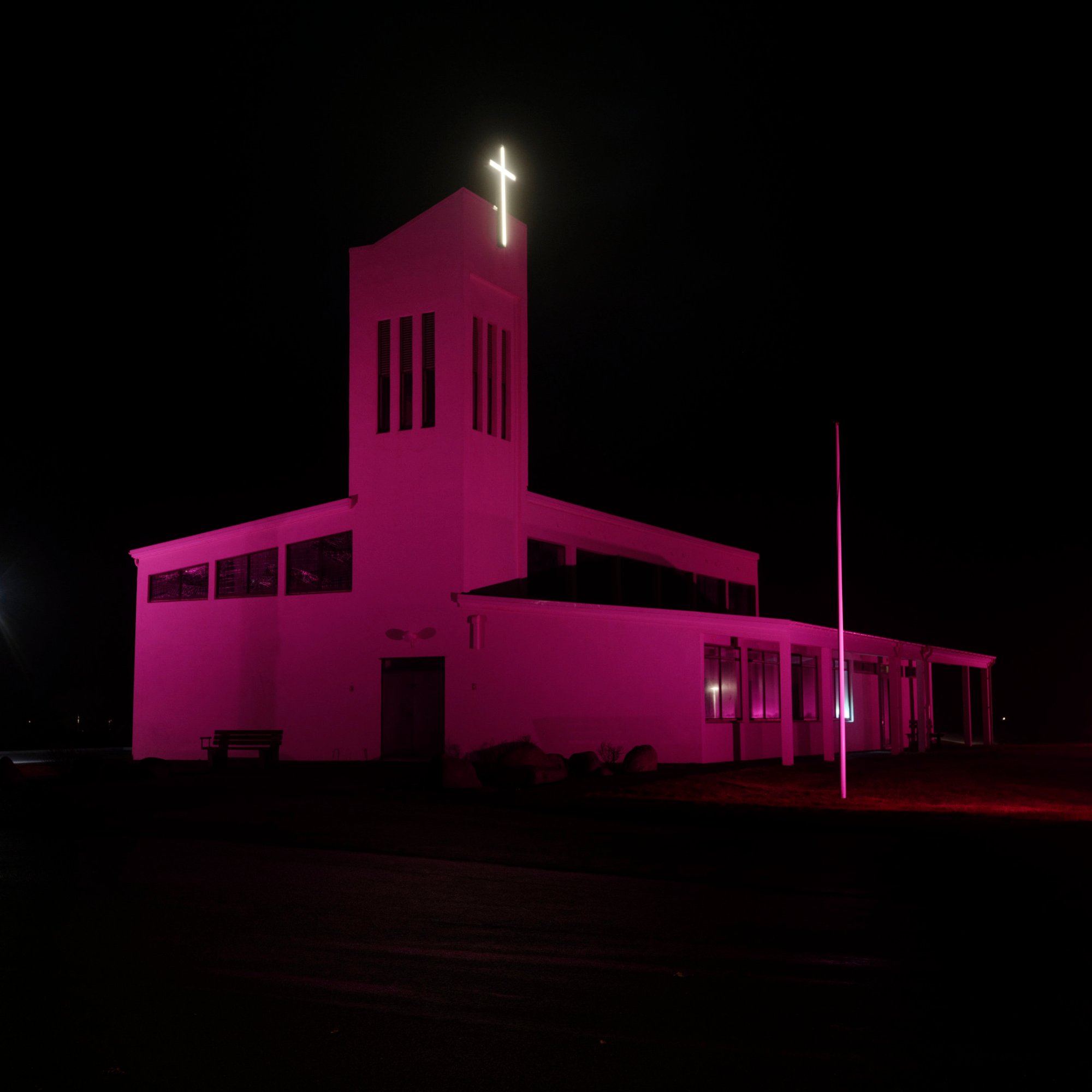
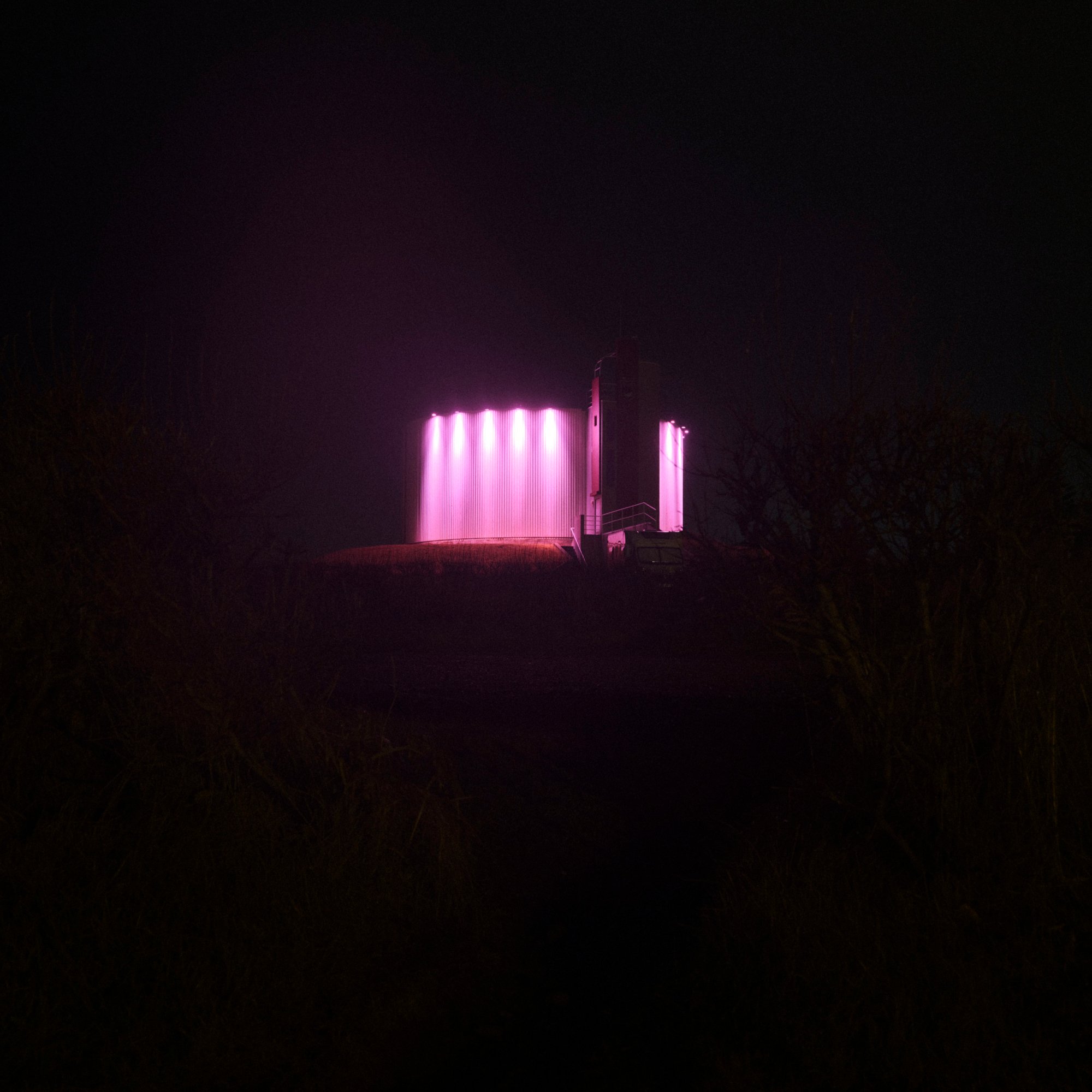
We drive on to Höfn. A small town on the coast, with a decent harbour, with some commercial ships resting in its waters. The nearby islands were once used as an airbase for the Allies in WWII. At night, the nearby church is lit in purple, as is a large water tank near a camping/caravan park.
 The Screaming Wall
Leave a comment